Last Updated: October 31, 2026
Quick Summary
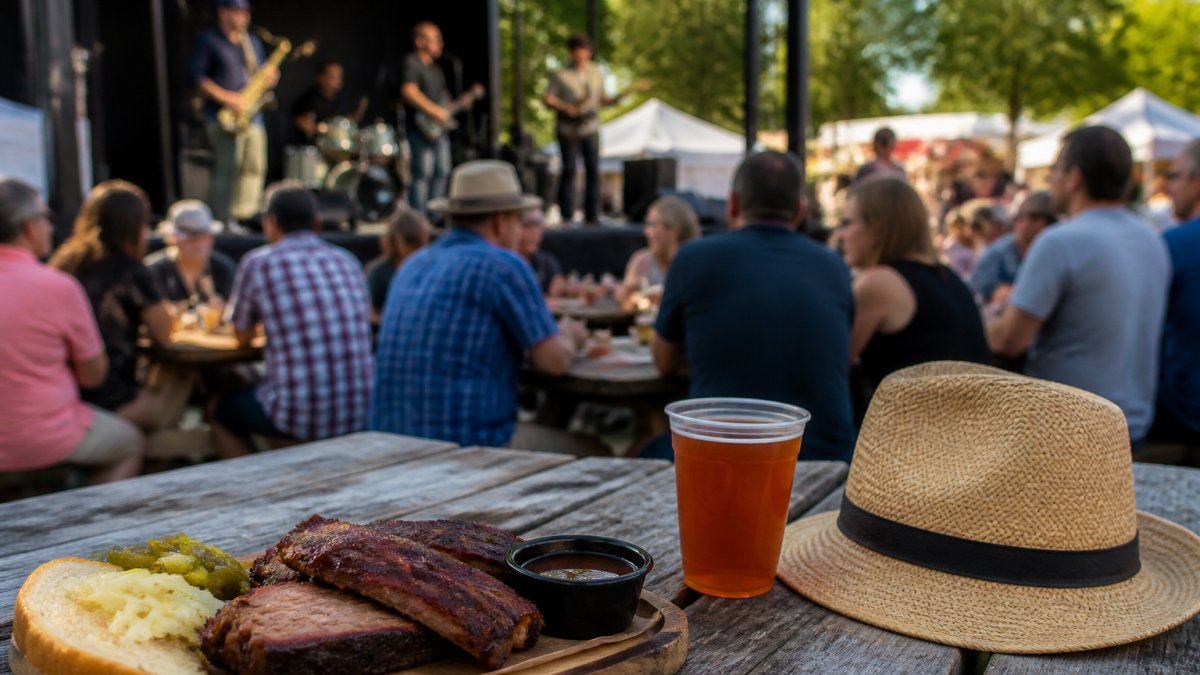
A food and music weekend works because it combines two pleasures in one short trip: eating well and hearing live music. Festivalgoers spend $60 to $72 per day on food and beverages alone, so planning meals and sets together matters. Build each day around one meal worth traveling for and one performance worth staying out for.
- Pick the event first, lock the dates, then build food and lodging around it.
- Leave 90 minutes between a big meal and a standing show.
- Cap each day at two anchors: one great meal and one great performance.
- Book lodging as soon as festival dates are confirmed, near the venue or food district.
- Check the event's official transfer policy before buying resale tickets.
Table of Contents
- Why Plan a Food and Music Weekend
- How to Plan a Festival Weekend Around Food and Live Music
- How to Find Local Restaurants and Music Venues
- Building a Food and Music Weekend Itinerary
- How Many Activities Should You Plan for a Weekend Getaway?
- Budgeting, Logistics, and Packing for a Festival Weekend
- Start Building Your Food and Music Weekend
- Frequently Asked Questions
Why Plan a Food and Music Weekend
A food and music weekend is a short trip built around two pleasures at once: eating well and hearing live music. It works because festivals now drive real travel decisions. According to Easol's 2026 music festival statistics, festivalgoers spend $60 to $72 per day on food and beverages alone.
That number explains the appeal. You are not just buying a concert ticket. You are buying a full weekend of taste and sound.
At Kansas City, we build trip plans around exactly this idea. Below, we show you how to choose an event, find the real local spots, and build a schedule you can actually keep.
But first, here is what most guides get wrong: they treat the festival as the whole trip. It is not.
How to Plan a Festival Weekend Around Food and Live Music
Planning a festival weekend starts with three decisions made in order: pick the event, lock the dates, then build food and lodging around it. For a step-by-step method that starts from the event date and venue, see how to plan an event trip with local expertise. Do them out of order and you will pay more or miss the best tables.
The market is growing fast. Mordor Intelligence's 2026 tourism analysis values music and festival tourism at USD 112.84 billion in 2026, with a 4.37% growth rate through 2031. More people are planning these trips, which means popular weekends fill up sooner.
Match the Festival to Your Comfort Level
Not every festival suits every traveler. Crowd tolerance varies a lot, and a packed field is not everyone's idea of a good time.
Ask three questions before you commit:
- How many people attend? Smaller regional events feel calmer.
- Is seating available, or is it standing only?
- Does the schedule run late into the night?
If you want a relaxed weekend, pick a daytime event with food stalls and lawn seating. If you want energy, go bigger.
Book Early and Check the Calendar
Festival dates set everything else. Book lodging as soon as dates are confirmed, and check the schedule before you pick a hotel.
A simple booking order:
- Confirm festival dates and start times
- Book lodging near the venue or near the food district
- Reserve any restaurant you care about
- Buy tickets
- Plan transport last
How to Find Local Restaurants and Music Venues
Finding local restaurants and music venues means looking past the first page of search results. The best spots rarely advertise. They rely on regulars.
Here is how we would do it:
- Ask where the staff eat, not where the tourists eat
- Look for short menus, which usually signal fresh cooking
- Check whether the crowd is local or visiting
- Visit a venue on a weeknight to judge the room honestly
For barbecue, the signs are specific. Our guide to finding authentic BBQ joints covers insider tips on spotting real barbecue restaurants, asking the right questions, and avoiding tourist traps.
Live music works the same way. Our guide to finding authentic jazz explains how to distinguish genuine performances from tourist traps, with cultural context on live venues and local musicians.
Building a Food and Music Weekend Itinerary
A good food and music weekend itinerary has two anchors per day: one meal worth traveling for and one performance worth staying out for. Everything else fills the gaps.
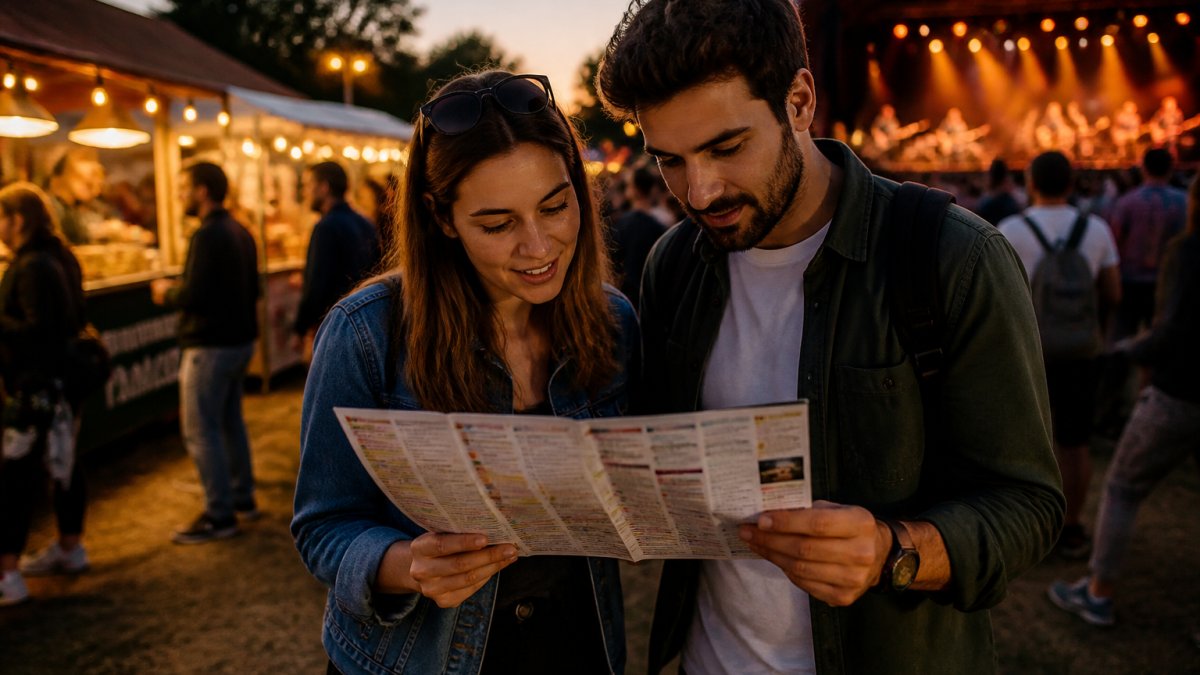
A two-day shape that works:
- Day one morning: arrive, check in, walk the neighborhood
- Day one afternoon: a long lunch at a local spot
- Day one evening: the main music set
- Day two morning: a slow breakfast and a market or food hall
- Day two afternoon: a second venue or a food tour
Balance Food Experiences With Music Sets
The biggest scheduling mistake is stacking a heavy meal right before a long set. You will be uncomfortable and slow.
Leave 90 minutes between a big meal and a standing show. Use that window to walk, rest, or grab coffee.
Also, do not chase every act. Two or three strong performances beat six rushed ones.
How Many Activities Should You Plan for a Weekend Getaway?
Plan a few activities per day for a weekend getaway, plus meals. That leaves room for delays, rest, and the discoveries that make a trip good.
A realistic daily cap:
| Time Block | Plan | Why It Works |
|---|---|---|
| Morning | One activity | Energy is highest early |
| Midday | One long meal | Food is the point of the trip |
| Afternoon | One activity or free time | Buffer for delays |
| Evening | One performance | Best saved for last |
Overpacked schedules are the most common failure. A festival day already includes walking, standing, and waiting. Add a museum and a food tour, and you will be exhausted by dinner.
Build in one empty block per day. That is where the best memories usually happen.
Prioritize When Food and Music Compete for the Same Hours
Most guides stop at the daily cap. The harder problem is what to drop when a tasting menu and a headline set land in the same window. Use a simple ranking method:
- Rank by irreplaceability. A set by an artist you cannot see near home outranks a restaurant you could visit on another trip. A reservation at a small, booked-out room outranks a set by a touring act that plays your region regularly.
- Rank by time sensitivity. Some food experiences only exist at a certain hour, a barbecue counter that sells out by early afternoon, a market that closes at midday. Those are fixed points; build the day around them.
- Rank by recovery cost. A standing show after a heavy meal costs you the next morning. A long lunch after a late set costs you the afternoon. Pick the trade-off you can absorb.
- Cap the anchors. Two anchors per day, one meal worth traveling for and one performance worth staying out for, is the ceiling. Everything else is filler.
A worked example of the trade-off: if a barbecue lunch and an afternoon set overlap, take the lunch only if the counter reliably sells out and the act plays again later in the weekend. Otherwise take the set and eat in the neighborhood that evening.
This is the method that keeps a food and music weekend from turning into a checklist. The goal is not more activities. It is the right two per day.
Budgeting, Logistics, and Packing for a Festival Weekend
Budget for four lines: tickets, food and drink, lodging, and transport. Food is the line people underestimate most. At $60 to $72 per day on food and beverages, a two-day trip means real money before you add a single meal out.
| Line Item | What to Estimate | How to Keep It Down |
|---|---|---|
| Tickets | Face value plus any service fee per day | Buy at face value during the official on-sale window; check the event's official transfer policy before any resale purchase |
| Food and drink | $60 to $72 per day on site, plus one sit-down local meal per day | Eat one big local meal and keep festival food light; carry a refillable bottle |
| Lodging | Two nights, priced per night, plus local lodging tax | Book as soon as dates are confirmed and stay near the venue or the food district |
| Transport | Round-trip travel plus daily local transit or rideshare | Use transit or walk instead of parking; price parking passes before you commit to driving |
| Incidentals | A cushion for one unplanned meal, merch, or a weather buy | Set the cushion before you go and treat it as spent |
Deciding in advance which meals happen on site and which happen in the neighborhood can help keep spending under control.
Practical moves that save the most:
- Book lodging early, close to the venue
- Eat one big local meal and keep festival food light
- Use transit or walk instead of parking
- Carry a refillable bottle
Logistics decide whether the weekend feels relaxed or rushed. Work through these before you leave:
- Getting in and out: check the venue's published entry gates, bag policy, and last-entry time. Leaving a set early to beat the crowd is often worth more than the final song.
- Parking and transit: price parking in advance and compare it against transit passes. Rideshare surge pricing after a headline set is a common budget surprise.
- Schedule conflicts: map set times against meal reservations. If two acts overlap, pick the one you cannot see at home.
- Accessibility: venues publish mobility access, seating, and companion policies, but the details vary widely. Contact the venue directly about accessible entry, viewing areas, and restroom access rather than assuming.
- Dietary needs: check the published vendor list before you go. Allergy handling varies by vendor, so ask on site rather than relying on a menu label.
Packing matters more than people expect. Our fall weekend packing guide has a practical carry-on checklist covering layers, footwear, rain gear, and two-night essentials. Festival grounds are often cold at night and hot at midday. Layers solve both.
Start Building Your Food and Music Weekend
The best food and music weekends are not the busiest ones. They are the ones with two great meals, two great sets, and enough space to enjoy both.
That takes local knowledge.
Kansas City exists for exactly this. Kansas City provides locally grounded visitor guidance, curated recommendations for attractions and neighborhoods, and travel preparation information.
Get started with Kansas City and build a weekend that tastes and sounds like the place you came to see.
Frequently Asked Questions
Why plan a weekend around food and music?
A food and music weekend gives you two experiences in one trip: live performances and a direct line into local cuisine. Food and drink is already a major part of most festival experiences. Pairing shows with restaurant and vendor discoveries turns a single concert into a full weekend of memorable experiences, and it spreads your spending across neighborhoods rather than one venue.
How many activities should you plan for a weekend getaway?
Aim for two to three anchor activities per day, such as one live show and one food-focused stop, then leave gaps for travel and rest. Festival weekends often run on a packed schedule, and overbooking is the fastest way to miss a set you cared about. Build your food and music weekend itinerary around fixed performance times first, then slot restaurants and local cuisine stops between them. Two solid anchors per day usually beats five rushed ones.
How do you find authentic local food and live music?
Skip the venues with the biggest signs and look for the ones locals actually use. Search regional festival dates and neighborhood event calendars, ask staff at independent shops where they eat and see bands, and check whether a menu or lineup changes seasonally. Food vendors at smaller regional festivals often represent local cuisine better than chain restaurants near the gates. For live music, small venues with a recurring weekly lineup tend to book local bands rather than touring acts.
What should you consider when choosing a food or music festival?
Check the music lineup, food vendor list, festival dates, and how crowded the event typically gets before you commit. Pick an event whose crowd level suits your comfort. Also confirm dietary options, accessibility, and whether the schedule leaves time to eat. If you are planning a festival weekend with family, favor daytime programming and free or low-cost regional events over late-night shows.
