Table of Contents
- What Makes Authentic BBQ Joints Stand Out
- How to Find Local BBQ Restaurants Beyond Tourist Spots
- Recognizing Authentic Kansas City BBQ
- Questions to Ask at a BBQ Restaurant
- Red Flags That Signal Tourist-Focused Restaurants
- How to Evaluate BBQ Quality Before You Order
- Building Your Own BBQ Discovery Process
- Frequently Asked Questions
Last Updated: October 18, 2026
What Makes Authentic BBQ Joints Stand Out
Authentic BBQ joints have a distinct character that separates them from chains and tourist traps.
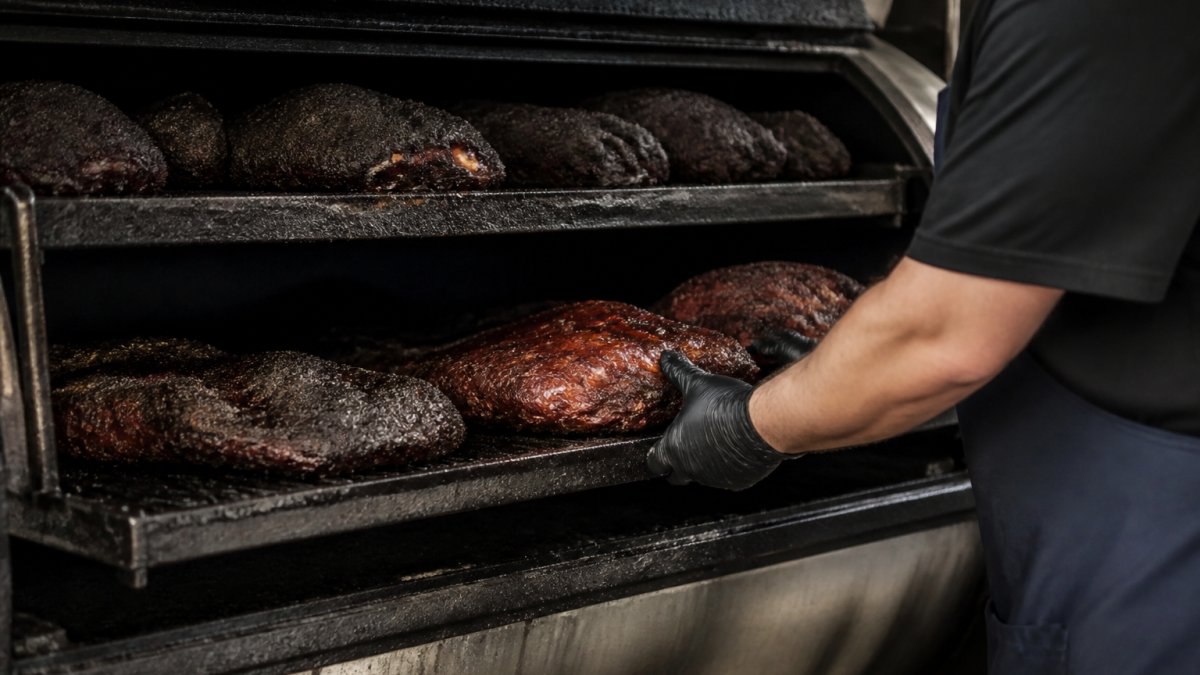
Several markers distinguish genuine establishments. Smoke hangs in the air. Meat cooks low and slow, sometimes 12-16 hours. Sauces are made in-house, not shipped in bulk.
At Kansas City, we've learned that authentic BBQ joints prioritize quality over speed, source meat carefully, guard their recipes, and keep the menu simple: brisket, ribs, pulled pork, chicken.
Listen for what locals say. Authentic places have repeat customers who've come for decades and meats that run out by closing time, signs of genuine demand, not marketing spend.
How to Find Local BBQ Restaurants Beyond Tourist Spots
Finding authentic BBQ joints requires looking past the obvious online results. Google Maps and review sites show the same restaurants everyone else sees. You need to dig deeper.
Check neighborhood recommendations and local forums
Local forums and community groups are where real recommendations live. Reddit's city subreddits often have dedicated BBQ threads where locals answer honestly; disagreement is a good sign.
Neighborhood Facebook groups work similarly: long-time residents share favorite spots and warn about restaurants that changed owners or quality.
Ask in hospitality forums. Hotel staff, bartenders, and restaurant workers know where locals eat, which places maintain standards, and which cut corners.
Look for family-owned establishments with longevity
Family ownership matters. When one family runs a BBQ joint for 30 years, their reputation is on the line, they can't skip smoking steps when their name is on the building.
Check how long a restaurant has operated. A place around since 1985 or 1995 has survived economic cycles, competition, and changing tastes.
Visit the restaurant's social media. Family-owned places post owner photos, origin stories, and the smoking process, transparency that signals confidence.
Recognizing Authentic Kansas City BBQ
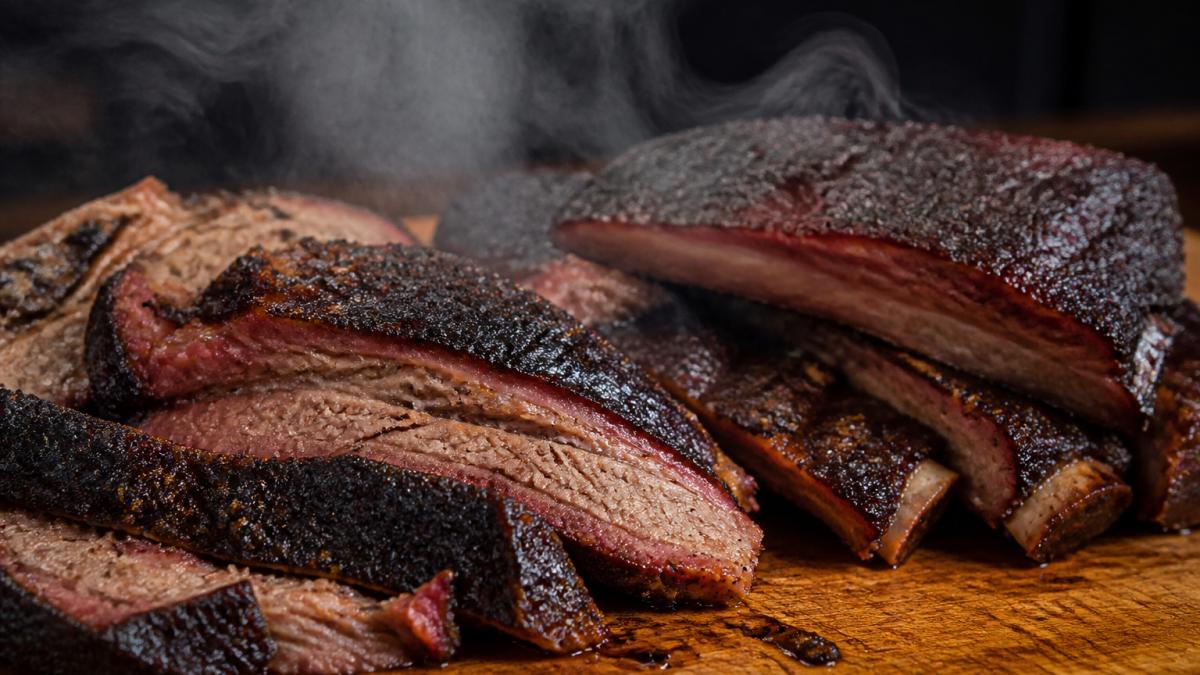
Kansas City BBQ has specific characteristics, and the meat is the star. Brisket should have a dark smoke ring, a pink layer just under the surface.
Kansas City sauce is often thicker and sweeter than other regional styles, but authentic versions balance sweetness with smoke and spice.
Authentic places serve meat on butcher paper or plain plates. No fancy plating, no pretense, the focus is on what's on the plate, not how it looks.
Temperature matters. Meat should be warm when served, never hot enough to be dry, reheating ruins BBQ.
Ask about the smoking process. Real BBQ joints use offset, drum, or pit smokers, burn wood rather than gas, and monitor temperature constantly.
Questions to Ask at a BBQ Restaurant
Asking the right questions reveals how serious a place is about BBQ.
Meat sourcing and smoking methods
Start with sourcing. Ask where they get their brisket and whether they work with a specific butcher. Consistency in sourcing means consistency in results.
Ask how long brisket smokes, at what temperature, and with what wood. Oak, hickory, and mesquite each produce different flavors; places that answer in detail are invested in their craft.
Ask if they smoke daily or batch-smoke. Daily means fresher meat; batch smoking sometimes means older product.
Ask about resting time. Meat needs to rest after smoking so juices redistribute; rushed BBQ tastes dry.
Sauce recipes and house specialties
Ask if sauce is made in-house. Store-bought sauce is a red flag; in-house sauce shows commitment to quality.
Ask about sauce ingredients. Authentic places can describe their recipes and the balance of spices, sweetness, and acidity.
Ask what their specialty is. Which meat smokes longest and gets the most attention? The answer reveals their priorities.
Red Flags That Signal Tourist-Focused Restaurants
Most guides tell you to look for smoke and long lines, but that advice is easy to fake. The stronger test is whether a restaurant's operations are consistent with real barbecue, because smoking meat low and slow is expensive in time, fuel, and yield.
Here is a practical red-flag checklist you can run in about five minutes.
The menu-to-smoker mismatch
Count the smoked items and compare them to what a single pit can realistically produce in a day. A joint running one offset smoker can turn out brisket, ribs, pulled pork, and chicken well; a menu listing a dozen smoked proteins plus fried seafood and pasta usually means much of the food is not coming off that pit. Ask which items are smoked in-house and watch whether the answer narrows the menu fast.
Sauce served by default
Good barbecue is judged without sauce first. A joint that plates every order with sauce already applied is often covering for meat that's dry or under-smoked. Some legitimate regional styles sauce at the pit, but default sauce plus no visible bark is a strong warning.
No visible wood or smoke
Real barbecue leaves physical evidence: a woodpile, a smoker stack, smoke staining on the building, and the smell of burning hardwood. If you see none of that, ask directly whether they smoke on-site. A vague answer, "we have a proprietary process", is your cue to leave.
Prices that don't cover the inputs
Brisket loses a large share of its raw weight during a long cook, and the fuel and labor are substantial. A plate price dramatically below the local market for the same cut usually means smaller portions, lower-grade meat, or shortcuts like holding meat in a warmer for hours. Compare the brisket price at three nearby joints; an outlier far below the rest deserves a question.
The 'sold out' inversion
Authentic joints sell out of popular cuts and close when the meat is gone. Tourist-focused restaurants stay open late and never run out because they're managing to a fixed menu, not to a pit. A handwritten "brisket sold out" sign at 2 p.m. is a good sign.
Review patterns that don't match the food
Read the one- and two-star reviews specifically, not the average. Look for repeated complaints about dry meat, reheated food, or cold plates, those are operational, not one-off. Also check whether the highest-rated reviews mention atmosphere and drinks more than the meat.
The walk-away test
Before you sit down, do a thirty-second scan: Is there wood? Is there smoke? Is the menu short? Are prices in line with nearby joints? Is sauce optional? If the answers line up, order a small portion of brisket and judge from there.
How to Evaluate BBQ Quality Before You Order
You can judge a barbecue joint in the first few minutes, before you commit to a full plate. Work through these steps in order and you'll have a defensible verdict by the time your food arrives.
Step 1: Read the room before you read the menu
Look for the pit. Is there a smoker you can see, a woodpile, or smoke in the air? Is there a handwritten sold-out board? A short menu of smoked meats plus visible fire is the baseline; anything less needs a question.
Step 2: Ask three questions at the counter
Keep it short and specific:
- What's your best cut today? A confident, specific answer ("the brisket came off an hour ago") tells you they track their product.
- What wood do you smoke with? Oak, hickory, pecan, and mesquite each produce distinct flavor; a joint that can name its wood is engaged with the craft.
- When did this come off the pit? Freshness matters more than almost anything else. Meat held for many hours in a warmer loses moisture and bark.
Listen for specificity. Real pitmasters talk in times, temperatures, and cuts. Tourist-facing staff talk in adjectives.
Step 3: Order the smallest possible sample
Order one rib, a quarter-pound of brisket, or a small pulled-pork portion, enough to judge, not enough to waste money if it's bad. You're buying information, not a meal.
Step 4: Judge with your eyes, then your hands
- Bark: The dark, crusty exterior on brisket and ribs should be deep and uneven, not painted on.
- Smoke ring: A pink band just under the surface on brisket is a good sign of proper smoke exposure, though its absence isn't disqualifying.
- The pull test: A rib should release from the bone with slight resistance, clean but not falling off. Brisket should slice and hold together, bending without crumbling. Pulled pork should shred into strands, not turn to paste.
- Moisture: Press the meat. It should feel juicy, not wet or greasy. Dry, crumbly texture means it was overcooked or held too long.
Step 5: Taste in the right order
Taste the meat plain first. You're checking for smoke flavor that penetrates the meat, not just sits on the surface, and for seasoning that's present but not salty. Then taste the sauce separately. Good sauce has depth, sweetness balanced by acid and heat, and should make the meat better, not rescue it.
Step 6: Score it so you can compare
Keep a simple five-point score across four categories: smoke, moisture, bark, and seasoning. Note the price you paid and the cut you ordered. Over a handful of visits you'll have a personal ranking that beats any review site, because it reflects your taste and your actual experience rather than someone else's mood.
What the evaluation is not
It's not a hunt for perfection. A joint can have a weak side dish and still be worth your time; a great sauce can't save bad meat. Weight smoke, moisture, and bark heaviest, treat sauce and sides as tiebreakers, and let consistency across two visits decide between close calls.
Building Your Own BBQ Discovery Process
Create a system for finding and evaluating authentic BBQ joints that works for you.
Start with a list. Use local forums, Reddit, and neighborhood groups. Write down 5-10 recommendations.
Visit one per week if possible. Try different meats at each place. Compare quality, flavor, and value.
Talk to staff. Ask questions. Listen to answers. Genuine places will engage with your curiosity.
Follow local food writers and bloggers. People who cover food seriously in their community often have deep knowledge.
Join local food groups.
Visit during off-peak hours. Lunch on a Tuesday is better than Saturday dinner.
Track what you learn. Keep a simple spreadsheet.
Frequently Asked Questions
How can you tell if a BBQ joint is authentic?
Authentic BBQ joints typically have limited, focused menus centered on smoked meats rather than extensive offerings. Look for smokers visible on-site or mentioned prominently, long operating histories (often family-owned for decades), and a casual atmosphere prioritizing quality over ambiance. Locals eat there regularly, and the restaurant sources meat locally when possible. Ask staff about smoking methods and wood types, authentic joints take pride in explaining their process.
What questions should you ask before visiting a BBQ restaurant?
Ask how long meats are smoked, what wood they use, whether they make sauce in-house, and if they smoke daily or only certain days. Inquire about their meat sourcing and whether they have house specialties passed down through generations. These questions reveal commitment to craft. Also ask locals which cuts are best that day, authentic spots adjust offerings based on smoking results rather than maintaining rigid daily menus.
What makes authentic Kansas City BBQ distinctive?
Kansas City barbecue emphasizes thick, molasses-based sauces applied generously to smoked meats, particularly burnt ends (crispy, caramelized brisket points). The style uses a variety of meats, not just one specialty, and favors longer smoking times. Authentic Kansas City joints prioritize the sauce-meat balance and often serve meat by the pound on kraft paper. This regional approach differs from other styles that focus on single meats or lighter sauce applications.
How do locals find their favorite BBQ spots?
Locals rely on word-of-mouth recommendations from neighbors and coworkers, explore neighborhood-specific social media groups and forums where residents share dining discoveries, and visit family-owned establishments that have built reputations over years. They often ask restaurant staff at other local spots for recommendations and check for multigenerational ownership. Locals prioritize consistency and authenticity over marketing, so they frequent places that have remained unchanged for decades.
Finding authentic BBQ joints takes effort, but the payoff is worth it. Real BBQ represents skill, tradition, and care. When you find a genuine place, you've discovered something worth returning to. At Kansas City, we help travelers move beyond surface-level recommendations to discover the restaurants locals actually love. Use these strategies to build your own list of places that deliver authentic flavor and genuine hospitality.