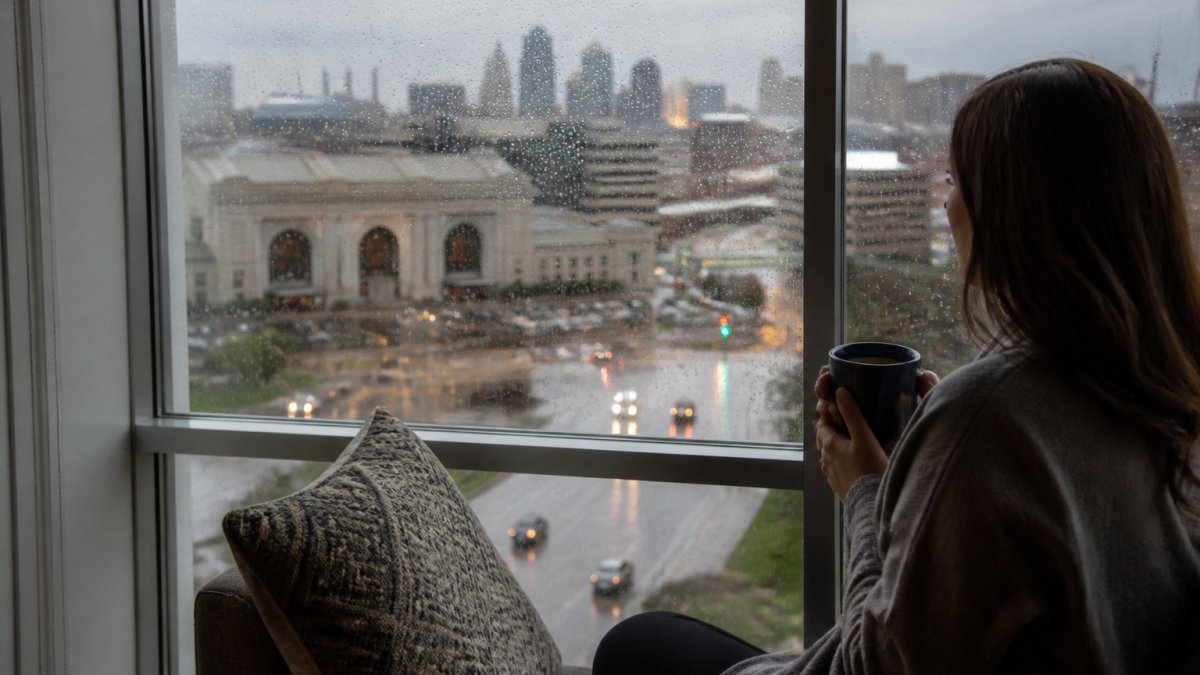
Last Updated: November 2, 2026
Quick Summary
A rainy trip goes best when you plan one indoor anchor activity, two backups, and a low-effort fallback before you leave. Pack a hooded rain jacket, waterproof shoes, and a dry bag, then check opening hours and book popular classes a day ahead.
- Give a museum two to three hours instead of treating it as a quick stop.
- A hooded jacket with cinched cuffs beats an umbrella in wind-driven rain.
- Check the forecast hourly, since steady morning rain often breaks by early afternoon.
- Build a two-tier family plan: one paid anchor booked ahead and one free backup.
- Book your anchor activity a day ahead because popular classes fill up.
Table of Contents
- Why a Rainy Trip Rewards Planning, Not Panic
- Things to Do on a Rainy Vacation: Indoor Activities That Actually Fill a Day
- What to Pack for a Rainy Trip: Gear That Earns Its Space
- How to Build a Rainy Day Travel Itinerary That Flexes
- How to Stay Active on a Rainy Day Without Getting Soaked
- Family-Friendly and Low-Cost Options When the Sky Opens
- Logistics That Save a Wet Day: Hours, Reservations, and Transit
- Build Your Rainy-Day Plan Before You Leave Home
- Frequently Asked Questions
Why a Rainy Trip Rewards Planning, Not Panic
A rainy trip is a test of preparation, not luck. Weather rarely ruins a vacation on its own.
We help travelers build flexible plans so a wet forecast becomes an invitation, not an emergency.
Here is the good news. Many indoor options do not require reservations far ahead.
Below, we break down seven backup plans, from museums to cooking classes, plus the gear and logistics that make each one work.
Things to Do on a Rainy Vacation: Indoor Activities That Actually Fill a Day
The best rainy-day activities are ones you would happily do in good weather too. That is the test. If an option only exists to kill time, it will feel like a chore by noon.
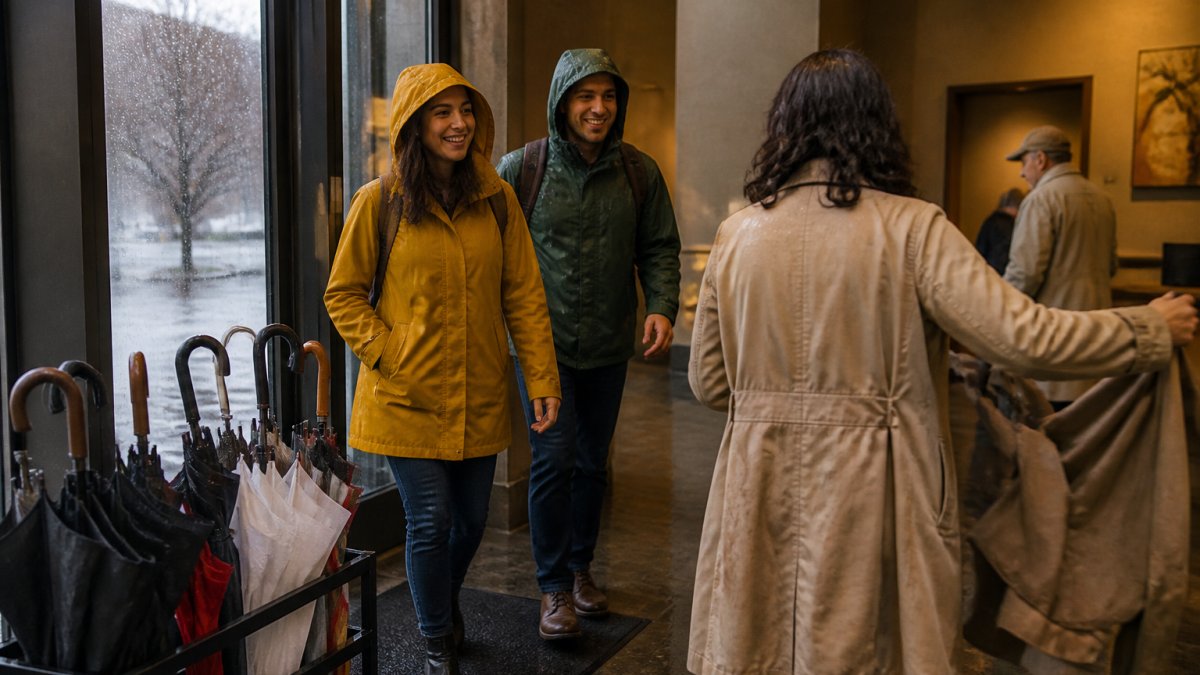
Our advice: rank indoor options by how long they hold attention, not by how close they are to your hotel. A half-day activity beats three one-hour stops.
Museums, Art Galleries, and Cultural Experiences
Museums are the classic rainy-day answer, and for good reason. They absorb a full morning or afternoon without rushing. Art galleries work the same way, especially smaller ones where you can linger.
A common mistake is treating a museum as a quick stop. Give it two to three hours. Check opening hours before you go.
Cafes, Coffee Shops, and Local Food Stops
A long lunch or a slow coffee is a legitimate rainy-day plan. For a ready-made list of cozy bars, museums, and indoor things to do on a wet day, see this Kansas City travel guide. Pick a spot with comfortable seating and no pressure to leave. This indoor food hall guide covers eating, drinking, and hanging out while it pours.
Libraries, Bookshops, and Quiet Pastimes
Not every rainy day needs an itinerary. A library or independent bookshop gives you a calm, free place to land. Bring a travel journal and write for an hour. Read a book. Take a virtual museum tour from a cafe table.
These quiet pastimes are underrated. They reset the pace of a trip that has been go-go-go.
What to Pack for a Rainy Trip: Gear That Earns Its Space
What to pack for a rainy trip comes down to three things: a real rain layer, dry feet, and a way to keep your bag dry. This fall weekend packing checklist covers rain gear, layers, and footwear. Everything else is optional.
- A packable rain jacket with a hood, not just an umbrella
- Waterproof shoes or a spare pair of socks
- A dry bag or zip pouch for your phone and passport
Watch out: a cheap umbrella flips inside out in wind and leaves you soaked. A hooded jacket handles wind-driven rain far better.
How to Build a Rainy Day Travel Itinerary That Flexes
A rainy day travel itinerary works best when it has a clear hierarchy. Plan one anchor activity, two backups, and one low-effort option for when energy drops.
Here is a simple framework we recommend:
| Plan Level | What It Is | Example |
|---|---|---|
| Anchor | One half-day indoor activity | A museum or cooking class |
| Backup A | A nearby indoor stop | A cafe or gallery |
| Backup B | A free or low-cost option | A library or bookshop |
| Fallback | Rest and reset | Hotel downtime, a long meal |
Build your plan the night before, once you have seen the weather forecast. Then commit to the anchor and let the backups fill the gaps.
The key is flexibility. A rigid schedule breaks in rain. A flexible one bends and keeps going.
How to Stay Active on a Rainy Day Without Getting Soaked
Most rainy-day lists jump straight to indoor ideas. That is a mistake. Light rain is often the best weather to have a city or a trail to yourself, and the difference between a great wet walk and a miserable one is a decision framework, not willpower.
Use rain intensity and temperature to decide whether to go out, shorten the plan, or move indoors entirely.
| Condition | What It Feels Like | Sensible Move |
|---|---|---|
| Light rain, mild temps | Drizzle, puddles, no wind | Continue outdoors with a waterproof shell and quick-dry layers |
| Steady rain, mild temps | Wet but manageable | Shorten the route, pick covered segments, plan a warm indoor stop mid-walk |
| Heavy rain or wind-driven rain | Umbrellas fail, shoes soak through | Move indoors; save the outdoor plan for another day |
| Cold rain near or below freezing | Wet plus cold is the real risk | Skip the walk; prioritize dry layers and indoor activity |
| Warm rain, humid | Comfortable but sticky | Outdoor time is fine; choose breathable rain gear over heavy shells |
A few mechanisms worth knowing before you head out:
- Wind is the deciding factor, not volume. A hooded jacket with a cinched hood and cuffs handles wind-driven rain far better than any umbrella. Umbrellas invert in gusts and leave one hand occupied.
- Wet feet end the day early. Waterproof shoes plus a spare pair of socks in a zip pouch solve most of the problem. Quick-dry synthetic or wool socks beat cotton, which holds water against the skin.
- Layer for the stop, not just the walk. You will go from cool and wet to warm and dry indoors. A packable mid-layer you can shed or add keeps you comfortable in both.
Ways to stay active that hold up in wet conditions:
- Walk covered routes: shopping arcades, covered markets, museum corridors, and connected transit concourses let you cover ground without full exposure.
- Take a class: a cooking class, craft workshop, or dance session keeps you moving and dry, and usually runs 90 minutes to a half day.
- Use an indoor pool or recreation center when traveling with kids, energy burned indoors beats energy burned in a hotel room.
- Book a short indoor tour instead of a long outdoor one; a 45-minute guided tour fits neatly between rain bands.
If you are weighing whether to keep an outdoor plan, the honest test is simple: would you still enjoy this walk in a light jacket if it rained the whole time? If yes, go. If no, move the outdoor segment to your driest forecast window and build the day around an indoor anchor instead.
Family-Friendly and Low-Cost Options When the Sky Opens
Families need indoor options that burn energy, not just fill time, and budget-conscious travelers need to know which choices are genuinely free versus which just look cheap until you add up admission and food. This list of indoor, kid-friendly activities is a solid fallback for a rainy family day. This section covers both, plus the accessibility and sensory details most rainy-day lists skip.
Family-friendly picks that actually work
- Interactive science and children's museums. Hands-on exhibits hold attention for two to three hours, which is the real test on a wet day. Check whether timed-entry tickets are required before you go.
- Indoor play spaces and recreation centers. Best for burning energy with younger kids. Many charge per child with adult entry often free or reduced, confirm current rates by phone or on the venue's site, since these change seasonally.
- Public libraries with kids' sections. Free, calm, and reliably open. Story times and craft hours are common; check the branch calendar the night before.
- Hands-on workshops and classes. Pottery, cooking, and craft sessions suit older children who prefer doing over looking. These usually require booking a day ahead and often have age minimums.
Low-cost and free options, ranked by what they actually cost
- Free: public libraries, free museum days (often tied to specific days of the week or month), community centers, bookshops with reading corners, and covered markets.
- Low-cost: indoor pools and recreation centers, drop-in play spaces, and short guided tours. Per-person pricing is common, so a family of four adds up fast, call ahead for current rates and family passes.
- Worth the splurge: children's museums and hands-on workshops, where the hours of engagement per dollar tend to be highest on a washout day.
A common pattern is that the free options fill up first on wet weekends. Arriving early or choosing a weekday makes a real difference.
Accessibility and sensory considerations
Rainy-day recommendations rarely say whether a venue works for strollers, wheelchairs, or travelers with sensory needs. Ask before you commit:
- Mobility and strollers: confirm step-free entry, elevator access, and whether narrow galleries or crowded play areas make navigation difficult. Larger museums and modern libraries are usually the safest bets.
- Sensory needs: busy children's museums and indoor play spaces can be loud and crowded on wet days. Quieter alternatives include libraries, smaller galleries, and bookshops. Some museums offer quieter hours or sensory-friendly sessions, check the venue's accessibility page.
- Rest and reset points: a venue with seating, a cafe, or a quiet corner is easier to manage with young children or anyone who tires quickly.
Logistics That Save a Wet Day: Hours, Reservations, and Transit
Logistics decide whether a rainy day runs smoothly. Check opening hours first. This guide to Monday and Tuesday museum closures shows which museums are open and which days to avoid.
Next, look at reservations. Popular classes and dinner shows fill up, so book the anchor activity a day ahead. Then plan your transit. Public transit can keep you dry between stops.
Build Your Rainy-Day Plan Before You Leave Home
The travelers who enjoy rainy trips are not luckier. They plan one anchor, two backups, and the right gear before they pack. That is the whole system.
Kansas City is a locally grounded travel guide offering curated recommendations for attractions and neighborhoods. No guesswork, no wasted wet afternoons.
Frequently Asked Questions
What should I pack for a rainy trip?
Pack a compact umbrella, a waterproof shell or rain jacket with a hood, and shoes that grip wet pavement. Add a dry bag or zip pouch for your phone and passport, a spare pair of socks, and a quick-dry layer. Check the weather forecast before you leave and pack for the rain intensity you expect, not the worst case. A small microfiber towel and a foldable tote for wet gear also help on a rainy trip.
How do I plan a rainy day travel itinerary?
Build your rainy day travel itinerary around a morning, afternoon, and evening block, and give each block one indoor anchor plus one flexible option. Group activities by neighborhood so you are not crossing town in the rain. Confirm opening hours and whether reservations are needed, and keep a free or low-cost backup in each block. Check the weather forecast the night before and swap outdoor plans for indoor ones rather than canceling the day.
How can I stay active on a rainy day while traveling?
Use indoor movement instead of skipping it. Walk museum halls, take stairs instead of elevators, book a fitness class or a hotel gym session, or swim at an indoor pool. A covered market or a large shopping center gives you steps without exposure. If you want outdoor time, a short walk in waterproof clothing and a good umbrella still counts. Aim for smaller, more frequent movement blocks rather than one long outing.
What are good indoor activities for families on a rainy vacation?
Look for children's museums, indoor climbing gyms, bowling alleys, libraries with kids' sections, and community centers that run craft workshops. Cooking classes and hands-on workshops work well for older children. Check whether venues require reservations and confirm opening hours before you go. Keep one low-cost or free option in reserve, such as a library or a virtual museum tour, in case plans change.
