Last Updated: October 23, 2026
Quick Summary
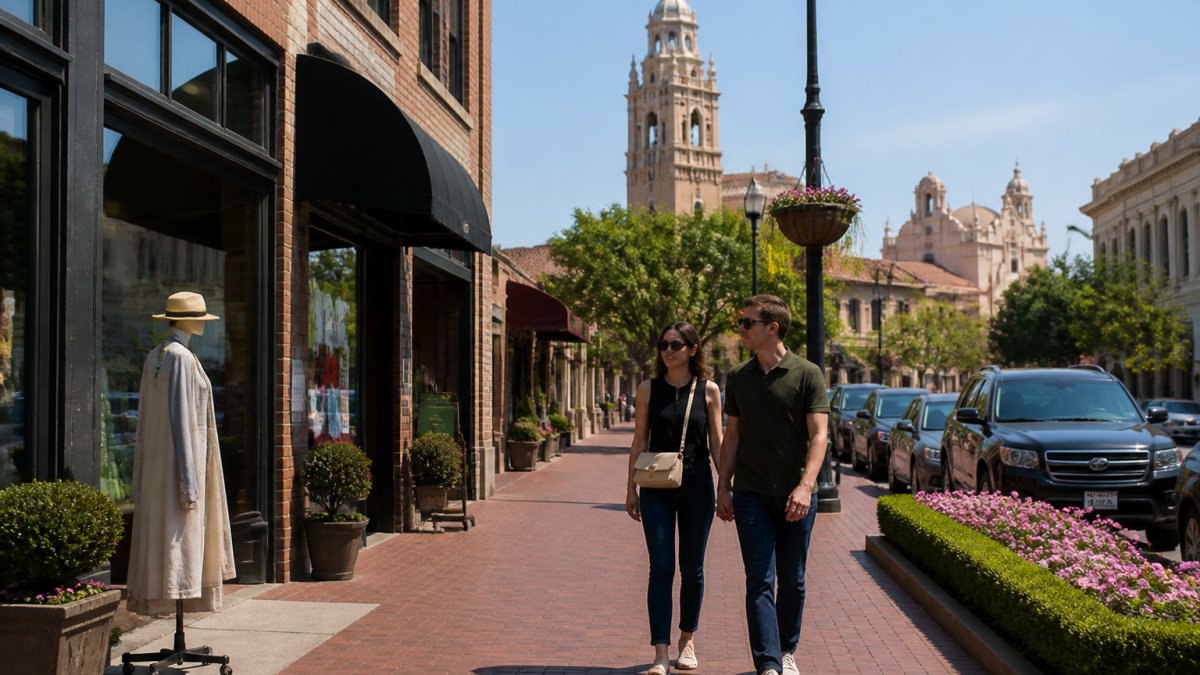
Country Club Plaza stands as one of the nation's premier outdoor shopping districts, blending historic Spanish Colonial architecture with contemporary retail, dining, and public spaces. The pedestrian-friendly plaza encourages exploration through its curated mix of boutique shops, restaurants, and public art installations.
- Nearly 1,000 new residential units and 1.7 million square feet of commercial space are being added through Kansas City's approved redevelopment plan.
- The district features multiple parking structures and surface lots with pay-on-foot kiosks and valet service at select dining locations.
- Accessible parking, level pathways, and accessible restrooms accommodate visitors with mobility needs throughout the district.
- Seasonal events and holiday traditions transform the plaza year-round, creating reasons to visit beyond shopping.
- The outdoor setting allows dining and public art to create natural gathering points throughout the walkable district.
Table of Contents
- What Makes Country Club Plaza a Must-Visit Destination
- History and Architectural Significance of Country Club Plaza
- Country Club Plaza Shops: A Retail Directory
- Country Club Plaza Restaurants and Dining Experiences
- Things to Do at Country Club Plaza Beyond Shopping
- Using the Country Club Plaza Map for Navigation
- Seasonal Events and Holiday Traditions
- Practical Visitor Information: Parking, Accessibility, and Getting Around
- Planning Your Visit: Hidden Gems and Local Insider Tips
- Frequently Asked Questions
What Makes Country Club Plaza a Must-Visit Destination
Country Club Plaza stands as one of the nation's premier outdoor shopping districts, blending historic architecture with contemporary retail and dining. The plaza's unique appeal lies in its combination of walkability, curated retail landscape, and vibrant neighborhood vibe that keeps visitors returning year after year.
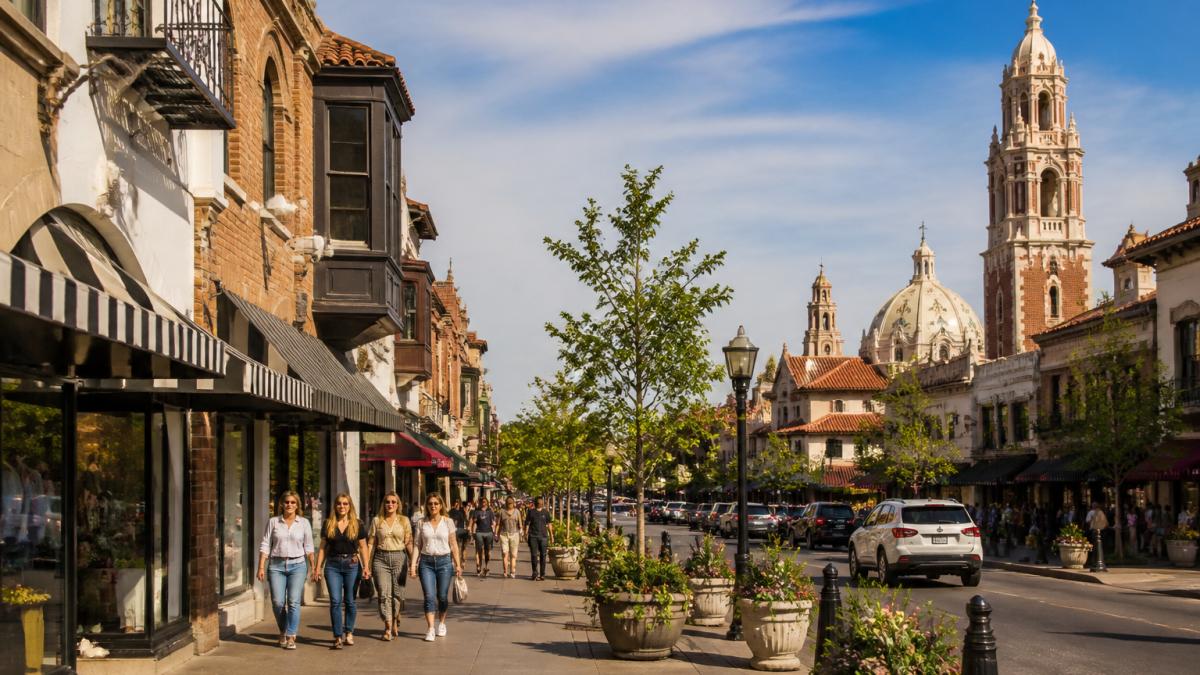
What makes country club plaza different from typical shopping centers is its pedestrian-friendly design and mixed-use environment. Unlike enclosed malls, this open-air plaza encourages exploration and serendipitous discoveries. The architecture itself tells a story, Spanish Colonial design elements frame storefronts and public spaces, creating an atmosphere that feels both refined and welcoming.
The plaza's transformation reflects broader urban revitalization trends. According to Kansas City's approved redevelopment plan, the area is undergoing significant expansion with nearly 1,000 new residential units and more than 1.7 million square feet of commercial and retail space being added over the coming years. This development signals confidence in country club plaza's future as a destination.
For visitors, country club plaza offers something rare: a destination that works equally well for a solo afternoon outing or a full day with family. The mix of boutique shopping, dining options, and public art installations creates natural gathering points throughout the district.
History and Architectural Significance of Country Club Plaza
Country Club Plaza's architectural heritage sets it apart from modern shopping centers. The Spanish Colonial Revival design reflects early 20th-century urban planning principles that prioritized aesthetics alongside commerce. Every storefront, archway, and plaza element was designed with intentional detail.
This historic foundation matters because it shapes the entire visitor experience. The architecture isn't decoration, it's functional design that encourages lingering, conversation, and connection. Pedestrians naturally slow down in spaces designed for human scale rather than vehicle throughput.
The plaza's cultural heritage extends beyond its buildings. It represents a pivotal moment in American retail history when shopping districts were destinations in themselves, not just transaction points. Understanding this context helps visitors appreciate why country club plaza feels different from typical commercial areas.
Kansas City's architectural and cultural history provides deeper context on how country club plaza fits into the city's broader development. The district's preservation efforts ensure that new development respects the original design vision while accommodating contemporary needs.
Explore a dedicated tour covering Country Club Plaza's architecture and shopping history to deepen your understanding of the district's significance.
Country Club Plaza Shops: A Retail Directory
Country Club Plaza's retail mix is anchored by a handful of well-known names and filled out by independent boutiques, which is why the district functions as a true shopping destination rather than a single-anchor mall. The retail directory below groups stores by category so you can plan a route instead of wandering.
Anchor and national retailers. The district's largest draws sit along the main pedestrian spines and include apparel, home, and lifestyle brands that occupy multi-level storefronts. These anchors generate the foot traffic that sustains smaller tenants, and they are typically the first stops for visitors arriving by car from the parking structures.
Boutiques and independent shops. Secondary storefronts and side streets hold the independent retailers, which is where the district's character lives. Expect specialty apparel, accessories, gifts, and home goods. These shops tend to have shorter hours than anchors, so plan boutique browsing for mid-day rather than early morning or late evening.
Category breakdown. Browse shopping guides and categories for the Country Club Plaza area
- Apparel and footwear: the largest category by store count, concentrated along the central blocks.
- Home and decor: clustered near the interior courtyards and upper levels.
- Accessories and gifts: scattered throughout, often in smaller footprint spaces.
- Specialty and services: salons, wellness, and personal services fill in gaps between retail.
How the layout affects shopping. Stores are deliberately spaced to encourage walking between them, and the outdoor environment provides natural breaks. This design principle, mixing retail types and creating breathing room, is what defines a successful lifestyle center, and it is why the district feels curated rather than corporate.
Discover a guided tour specifically focused on the Country Club Plaza shopping district to learn about featured retailers and shopping categories.
Country Club Plaza Restaurants and Dining Experiences
The culinary scene at country club plaza reflects both established favorites and emerging concepts. Dining options range from casual to upscale, accommodating various budgets and occasions.
Country Club Plaza restaurants benefit from the district's walkability and outdoor setting. Diners can easily move between venues, sample multiple restaurants in one visit, or simply enjoy a meal while watching plaza activity. The outdoor dining experience, when weather permits, creates an atmosphere that indoor restaurants struggle to replicate.
The dining landscape includes international cuisines, contemporary American fare, and classic local establishments. This variety means visitors can plan a meal around their preferences rather than settling for available options. The concentration of quality restaurants makes country club plaza a destination for food-focused visitors, not just shoppers.
Many restaurants at country club plaza feature outdoor seating, extending the pedestrian-friendly experience into the dining experience itself. This creates natural gathering spaces and contributes to the district's vibrant evening entertainment scene.
Things to Do at Country Club Plaza Beyond Shopping
Country Club Plaza offers activities that extend far beyond retail transactions. Public art installations scattered throughout the district provide visual interest and conversation starters. These sculptures and installations change seasonally, giving repeat visitors new details to discover.
The plaza's design encourages activities that have nothing to do with shopping. People visit to walk, meet friends, enjoy outdoor dining, or simply spend time in a well-designed public space. This multifunctional approach, where shopping is one option among many, defines the plaza's appeal.
Seasonal festivities transform country club plaza throughout the year. Holiday decorations, special events, and community gatherings create reasons to visit beyond shopping needs. These events build community connection and give visitors reasons to return.
The outdoor sculptures and public art installations serve as natural meeting points. Visitors use these landmarks for navigation and as backdrops for photos. The art itself contributes to the district's cultural heritage and aesthetic appeal.
Using the Country Club Plaza Map for Navigation
A country club plaza map serves as your essential tool for planning your visit. The district spans multiple blocks, and while it's designed for walkability, a map helps you prioritize your time and discover connections between areas.
Most visitors find that country club plaza's layout becomes intuitive after brief exploration. The main pedestrian pathways guide foot traffic naturally, and landmark buildings help with orientation. However, having a map prevents backtracking and helps you identify specific stores or restaurants.
Digital maps and physical directories are available throughout the district. The country club plaza map typically highlights parking locations, major retailers, restaurants, and public facilities. Using these resources upfront saves time and reduces navigation frustration.
The district's mixed-use development means that residential, retail, and dining areas overlap. Understanding this layout helps you move efficiently between destinations and discover areas you might otherwise miss.
Seasonal Events and Holiday Traditions
Country Club Plaza's seasonal events create reasons to visit throughout the year. Holiday traditions, special promotions, and community gatherings transform the district with each season.
Winter brings holiday decorations and festivities that draw crowds. The outdoor plaza setting allows for large-scale seasonal displays that create memorable experiences. These holiday traditions have become part of the district's identity.
Spring and summer activate outdoor dining and public spaces. Warmer weather brings more foot traffic and encourages lingering. Many restaurants expand outdoor seating, and the plaza hosts community events.
Fall brings back-to-school shopping and preparation for holiday season. The transitional season offers pleasant weather for outdoor shopping and dining.
These seasonal festivities reinforce country club plaza's role as a community gathering place, not just a commercial district. Events create shared experiences and give local residents reasons to visit regularly.
Practical Visitor Information: Parking, Accessibility, and Getting Around
Most guides to the district stop at "there is parking" and move on. This section goes further, because parking, accessibility, and circulation are the three things visitors actually search for before a trip.
Parking. The district is served by a mix of surface lots and multi-level parking structures, with multiple entry points that reduce congestion from different directions. Valet service is available at select locations, typically near the highest-traffic dining blocks. A common pattern is that visitors who arrive before mid-morning find surface lots easier to enter, while afternoon and evening arrivals do better heading straight to a structure. Keep your ticket with you; several structures use pay-on-foot kiosks rather than exit booths.
Accessibility and ADA compliance. This is the area most guides ignore, and it matters for a historic outdoor district. Under the Americans with Disabilities Act, places of public accommodation must provide accessible routes, accessible parking, and accessible facilities, and the district's property management is responsible for maintaining those routes as storefronts change. In practice, visitors using wheelchairs or strollers should expect:
- Designated accessible parking spaces near structure elevators and surface lot entrances.
- Level or ramped pathways along the main pedestrian spines, with curb cuts at crosswalks.
- Accessible restrooms in the larger buildings and structures rather than in every small storefront.
- Historic buildings where a step or threshold may require an alternate entrance; ask staff, as many shops have a side door that is level.
Getting around without a car. The district's walkability means that once you arrive, most destinations are within easy walking distance, and the pedestrian-friendly design makes a car unnecessary inside the district. Public transit, rideshares, and walking are all viable ways to arrive, and many visitors find that arriving without a personal vehicle actually enhances the experience by eliminating parking concerns. If you are combining the district with other parts of the city, plan your transit leg first and treat the district as a walking loop from your drop-off point.
Circulation tips. The layout becomes intuitive after brief exploration, but the mixed-use development means residential, retail, and dining areas overlap. Use landmark buildings and public art as orientation points, and expect the busiest pedestrian flow along the central blocks during weekend afternoons.
Learn how to navigate the city without a car to reach Country Club Plaza for transportation alternatives and public transit options.
Here's what you need to know about getting around Country Club Plaza and accessing its facilities.
| Feature | Details | Note |
|---|---|---|
| Parking | Surface lots and multi-level structures | Multiple entry points reduce congestion |
| Valet service | Available at select locations | Typically near high-traffic dining blocks |
| Best arrival time for surface lots | Before mid-morning | Afternoon and evening arrivals use structures |
| Payment method | Pay-on-foot kiosks | Keep your ticket with you |
| Accessible parking | Designated spaces near elevators | Located at structure and surface lot entrances |
| Pathways | Level or ramped along main spines | Curb cuts at crosswalks |
| Accessible restrooms | In larger buildings and structures | Not in every small storefront |
| Historic building access | Some have steps or thresholds | Many shops have level side doors available |
Planning Your Visit: Hidden Gems and Local Insider Tips
Country Club Plaza's most memorable experiences often come from discovery rather than planning. While major retailers and restaurants are obvious choices, hidden gems reward exploration.
Local favorites often occupy secondary storefronts or operate during specific hours. Talking with plaza staff, checking social media, and exploring side streets reveals establishments that don't make mainstream guides. These discoveries create personal connections to the district.
Timing your visit affects the experience. Weekday mornings offer quieter shopping and dining, while weekends bring energy and activity. Evening visits reveal the plaza's nightlife and entertainment options.
Discover hidden gems and off-the-beaten-path recommendations near Country Club Plaza to find unique experiences that go beyond typical tourist routes.
The best approach combines planning with openness to spontaneity. Identify must-see destinations, but leave room in your schedule for unexpected discoveries. Country Club Plaza's design encourages this balance between purpose and wandering.
Country Club Plaza represents more than a shopping destination, it's a model for how urban districts can blend commerce, community, and quality design. Whether you're visiting for specific retailers, exploring the culinary scene, or simply enjoying the neighborhood vibe, the plaza rewards both planned visits and spontaneous exploration. Start with Kansas City's comprehensive travel guide to tours and attractions to integrate country club plaza into your broader trip planning and discover what makes this district a must-visit destination.
Frequently Asked Questions
What shops are located at Country Club Plaza?
Country Club Plaza features a curated mix of boutique retailers, national chains, and specialty shops across its outdoor shopping district. The plaza hosts apparel stores, home goods, jewelry, and lifestyle brands. For the most current and complete list of tenants, consult the Country Club Plaza map or visit the district's official directory to see what's open and new arrivals.
Where can you eat at Country Club Plaza?
The plaza offers diverse dining options ranging from casual cafes to upscale restaurants. You'll find everything from local favorites to national restaurant brands, with outdoor seating available at many venues. The pedestrian-friendly layout makes it easy to explore different cuisines and discover new dining spots throughout the district.
How much time should you spend at Country Club Plaza?
Most visitors spend 2-4 hours at Country Club Plaza, depending on your interests. If you're shopping and browsing, plan 3-4 hours. For dining and casual strolling, 2-3 hours works well. The walkable layout and mixed-use environment mean you can easily extend your stay to enjoy the public art, outdoor spaces, and neighborhood vibe at a relaxed pace.
What architectural features is Country Club Plaza known for?
Country Club Plaza is recognized for its historic Spanish Colonial Revival architecture, featuring distinctive red-tile roofs, arched walkways, and ornamental details. The open-air plaza design pioneered the modern shopping center concept. Public art installations and fountains throughout the district enhance the architectural character, making it a landmark example of early 20th-century urban planning and mixed-use development.
