Table of Contents
- Start With Match Selection and Host Cities
- Build Your World Cup 2026 Travel Itinerary
- Secure World Cup 2026 Flights and Hotels
- Calculate Your World Cup 2026 Trip Cost
- Document Your Travel Requirements and Entry
- Use a World Cup 2026 Trip Planning Checklist
- Prepare for Match Day and Local Experiences
- Frequently Asked Questions
Last Updated: October 10, 2026
Start With Match Selection and Host Cities
World cup 2026 travel planning starts with choosing which matches to see and which host cities to visit across the United States, Canada, and Mexico.
Identify which teams you want to watch, then check the confirmed tournament schedule to see when and where those matches occur.
Decide whether to focus on a single host city for 5-7 days or pursue a multi-city itinerary.
Build Your World Cup 2026 Travel Itinerary
Once you've selected your matches and host cities, your world cup 2026 travel planning involves designing your multi-city itinerary, typically spanning 7-14 days.
Map your match dates on a calendar and plan 2-3 days in each location for the match, travel, and local exploration. For example, watching a match in Kansas City on June 15 and another city on June 18 means spending June 14-16 in Kansas City, then traveling June 17 to arrive for the second match.
Allocate at least one full day per city for local exploration beyond the stadium, accounting for potential flight delays.
Document your itinerary in a spreadsheet with match dates, travel dates, hotel times, and flight times to coordinate bookings.
Secure World Cup 2026 Flights and Hotels
Book intercity flights well in advance, as availability fills quickly during the tournament.
Book flights to your first host city 2-3 months ahead; international flights should be booked even earlier.
Near-stadium hotels fill first and command premium pricing. Hotels 15-20 minutes from the stadium via public transit offer better value.
Book hotels immediately after securing match tickets.
Consider vacation rentals or tour-operator hospitality packages for better value on multi-night stays, but verify cancellation policies and host responsiveness first.
Calculate Your World Cup 2026 Trip Cost
Understanding your total World Cup 2026 trip cost helps you budget effectively and decide how many matches to attend.
Major costs include match tickets, flights, hotels, meals, and transportation.
Intercity flights and international flights to your first host city will vary in cost.
Budget for meals and local experiences. Many host cities offer temporary transit passes for visitors.
Create a budget spreadsheet tracking each category.
Document Your Travel Requirements and Entry
Traveling across the United States, Canada, and Mexico requires understanding distinct entry requirements for each country. A country-by-country checklist prevents costly delays.
Entry Requirements by Country
United States
All travelers entering the United States require a valid passport and either an ESTA or visa, depending on nationality.
-
ESTA (Electronic System for Travel Authorization): Citizens of 40+ visa-waiver countries are eligible. Apply at least 72 hours before travel at the Department of Homeland Security website. Most receive approval within minutes; some require administrative review (up to 72 hours). Valid for two years or until passport expiration.
-
Visa: Citizens not in the visa-waiver program must apply for a B-2 tourist visa through a U.S. embassy or consulate. Processing times vary from 5 business days to several weeks. Apply at least 2-3 months before your trip.
-
Passport Validity: Your passport must be valid for your entire stay.
Canada
-
U.S. Citizens: A valid U.S. passport, passport card, or NEXUS card is required for air travel.
-
Citizens of Other Countries: Most need an eTA or visa. eTA applications (Government of Canada website) process in minutes to hours and are valid for five years. Visa processing typically takes 2-4 weeks but can extend to 8 weeks during peak seasons.
-
Passport Validity: Your passport must be valid for the entire duration of your stay in Canada. No additional validity buffer is required.
Mexico
-
Passport Requirement: All travelers need a valid passport. No visa required for U.S., Canadian, most European, Australian, Japanese, and many other citizens. Others should apply 4-6 weeks before travel.
-
Tourist Card (FMM): Most visitors receive a Forma Migratoria Múltiple upon arrival, valid for 180 days. Keep this document for departure; losing it can delay your exit.
Cross-Border Travel Logistics
-
Air Travel Between Countries: Allow 3-4 hours between flights when crossing borders and arrive at the airport at least 3 hours before international departure.
-
Land Border Crossings: Expect 30 minutes to 2 hours for border processing. Have your passport and required documents readily accessible; plan extra time for congestion during the tournament.
-
Return Entry to Your Home Country: Verify your home country's re-entry requirements before departure.
Documentation Checklist
Create a documentation checklist 3-4 months before your trip:
- Check passport expiration date; if it expires within 6 months of your trip, apply for renewal immediately
- Verify which countries you'll visit and which entry requirements apply to your citizenship
- Apply for ESTA (if eligible) at least 72 hours before U.S. entry
Use a World Cup 2026 Trip Planning Checklist
A comprehensive checklist ensures you don't overlook critical details across three phases: pre-trip preparation, booking coordination, and final confirmation.
Pre-Trip Preparation (3-4 months before):
- Identify which matches you want to attend
- Check the confirmed tournament schedule
- Select your host cities based on match locations
Booking Coordination (2-3 months before):
- Purchase match tickets
- Book flights to your first host city
- Book intercity flights between host cities
Final Confirmation (2-4 weeks before):
- Confirm all flight reservations and check-in requirements
- Verify hotel reservations and cancellation policies
- Review match ticket details and stadium entry requirements
Print your checklist and mark items off as you complete them to track progress and reduce stress.
Prepare for Match Day and Local Experiences
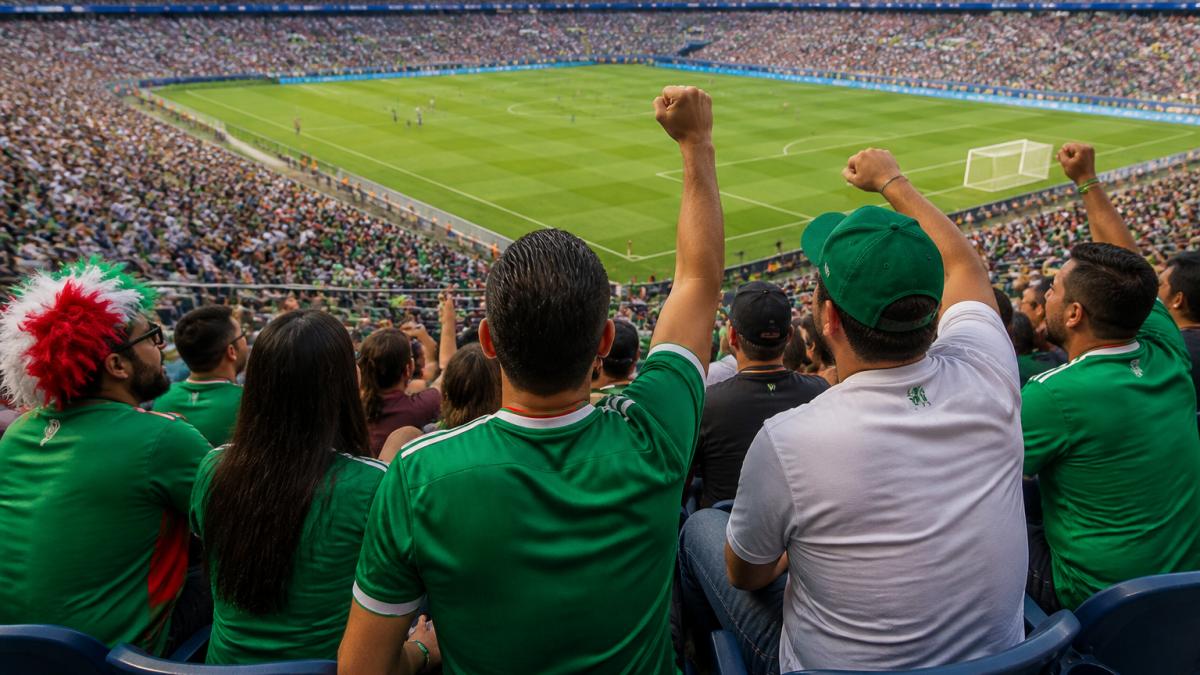
Match day requires a detailed plan extending beyond purchasing a ticket. A practical match-day plan ensures you experience the game without stress and maximizes your time in each host city.
Match-Day Timeline and Arrival Planning
Arrive at the stadium 2-3 hours before kickoff to account for parking, transit delays, security, and navigation. For high-demand matches, arrive 3-4 hours early.
-
Parking and Transit: Research parking options weeks in advance; official lots fill quickly. Public transit is often faster during major events. Purchase multi-day visitor transit passes and download the transit app to plan your route the night before.
-
Entry Requirements: Bring a valid photo ID and match ticket (printed or digital). Arrive 30 minutes before gate-opening time with documents ready to scan.
-
Security Screening: Expect 15-30 minutes for security; high-demand matches may see 45-60 minute waits. Wear minimal jewelry and avoid large belts. Review the specific stadium's prohibited-items list before arrival.
-
Concourse Navigation: Allow 15-20 minutes to locate your seating section and facilities. If attending with a group, establish a meeting point inside the stadium.
Stadium Policies and Amenities
-
Seating and Accessibility: Purchase accessible tickets in advance or contact the stadium's accessibility office before match day.
-
Concessions and Pricing: Stadium food is significantly more expensive than outside options. Concession lines are longest 30-60 minutes before kickoff.
-
Weather and Comfort: Check the forecast and bring appropriate gear: sunscreen and hats for warm climates, jackets for cooler regions. Bring a rain jacket for outdoor venues.
-
Restroom Facilities: Use facilities before the match or during the first half to avoid halftime crowds.
Post-Match Departure and Transit
Post-match logistics are often overlooked but critical for your next-day plans.
-
Immediate Post-Match: Allow 15-30 minutes for the stadium to empty. If staying in the host city, wait 20-30 minutes for crowds to clear before heading to parking or transit.
-
Transit Back to Your Hotel: Plan for 45-90 minutes of transit time if using public transit. If driving, allow 30-45 minutes to exit the parking area. Download offline maps in case cellular service is overwhelmed.
-
Evening Plans: If traveling to another city the next day, return to your hotel early to rest. If staying multiple days, explore neighborhoods on non-match days when crowds are smaller.
Local Experiences and Host-City Exploration
-
Neighborhood Research: Research neighborhoods before arrival using tourism websites and online maps. Identify areas known for dining, arts, history, or outdoor recreation.
-
Dining and Food Culture: Research popular restaurants and make reservations in advance; demand surges during the tournament. Many host cities offer food tours or market visits.
-
Cultural and Historical Attractions: Visit museums and historical sites during non-match days or early mornings to avoid crowds.
-
Fan Zones and Community Events: Most host cities organize fan zones and cultural events. Check the tourism board website for schedules.
-
Safety and Group Coordination: Establish daily meeting points and communication protocols. Keep valuables secure in crowded areas.
Frequently Asked Questions
How much will it cost to go to the 2026 World Cup?
Your World Cup 2026 trip cost depends on match tickets, flights, hotels, meals, and ground transportation. Ticket prices vary by match stage and stadium demand. Flights and hotel rates fluctuate based on travel dates and host city. Budget for meals and local experiences separately. Early booking typically offers better availability and lower prices than last-minute reservations. Create a detailed breakdown of each expense category to estimate your total trip cost accurately.
When should I book flights and hotels for the 2026 World Cup?
Book World Cup 2026 flights and hotels as soon as your match dates are confirmed. Early booking secures better rates and availability, especially for popular host cities and match weeks. Most travelers book 3-6 months in advance for major tournaments. Set price alerts on travel booking sites to monitor rate changes. Consider booking refundable options initially, then lock in non-refundable rates once your plans solidify. Avoid waiting until 6-8 weeks before travel, when availability shrinks and prices spike.
How do I plan an itinerary around World Cup 2026 matches?
Start by identifying which matches you want to attend and their dates and stadiums. Build your World Cup 2026 travel itinerary around match-day logistics: arrival dates, stadium travel time, and recovery days between matches. Plan 1-2 days per host city to explore local attractions, food, and culture. Account for intercity travel time between venues. Book accommodations within reasonable distance of stadiums or near reliable transit. Include buffer time for flight delays or unexpected changes. Use your confirmed match schedule to lock in hotel and flight dates.
What documents do I need to travel to the 2026 World Cup?
US citizens attending matches in Canada or Mexico need a valid passport valid for at least six months beyond your travel dates. Canadians and Mexicans entering the US require passports or approved travel documents. Check current entry requirements for each host country before booking. Some travelers may need visas depending on citizenship. Apply for passports well in advance, as processing times can extend 4-12 weeks. Verify entry requirements with official government sources for your specific citizenship and travel route.
Should I buy a hospitality package or VIP tickets for World Cup 2026?
Hospitality packages bundle match tickets with lodging, meals, and guided tours, simplifying logistics but at premium prices. VIP tickets offer premium seating and amenities without accommodation. Standard tickets are the most affordable option but require separate hotel and transportation booking. Choose based on your budget, travel experience, and preference for convenience versus cost savings. Hospitality packages suit travelers prioritizing simplicity; standard tickets work for budget-conscious planners willing to coordinate their own arrangements.
Can I visit multiple host cities during the World Cup 2026?
Yes, a multi-city trip is common for World Cup travel. Plan your World Cup 2026 travel itinerary by selecting 2-4 host cities based on match schedule, travel distance, and local experiences. Intercity flights or ground transportation connect venues; flights are faster but costlier, while trains or buses are cheaper but time-consuming. Build 1-2 days in each city for exploration. Account for travel days in your overall trip length. Confirm intercity transportation availability and book early, as capacity fills quickly during tournament weeks.
What's included in a World Cup 2026 trip planning checklist?
Your World Cup 2026 trip planning checklist should cover: confirming match dates and stadiums, securing tickets, booking flights and World Cup 2026 flights and hotels, calculating total trip cost, verifying travel documents and entry requirements, arranging ground transportation, booking intercity transfers, planning daily itineraries, researching local attractions and dining, purchasing travel insurance, and setting reminders for booking deadlines. Prioritize tasks by urgency: match tickets and flights first, then hotels, then local planning. Use a shared checklist if traveling with others to track shared and individual responsibilities.