Last Updated: October 26, 2026
Quick Summary
To fit the top 10 things to do in one day, pick 10 stops, group them into three neighborhood clusters, and cap the route at about 12 hours. Start downtown at 9 a.m. with landmarks, spend the afternoon on museums and barbecue, then end around 9 p.m. with live jazz.
- Limit yourself to no more than three stops per zone, with no zone repeats.
- The full 10-stop route covers roughly 10 hours of activity and under 3 miles of walking.
- Drop the history museum first if the day runs late.
- Book ahead for jazz clubs on weekend nights, guided tours, and popular dinner spots.
- Build in 15 minutes of buffer between zones to absorb delays.
Table of Contents
- Building a Top 10 Things to Do in One Day Plan That Actually Fits
- The Kansas City One-Day Itinerary: An Hour-by-Hour Route
- Kansas City Sightseeing Itinerary: The 10 Stops Worth Your Time
- Clustering Stops by Neighborhood to Cut Transit Time
- Kansas City Travel Planning: Opening Hours, Booking Needs, and Visit Durations
- Tailoring the Day to Budget, Mobility, Weather, and Interests
- Common Mistakes That Derail a One-Day Visit
- Start Your Route With a Local Plan
- Frequently Asked Questions
Building a Top 10 Things to Do in One Day Plan That Actually Fits
A one-day city visit works best when you pick 10 stops, group them by neighborhood, and cap the whole route at about 12 hours. At Kansas City, we plan these days around three zones: downtown, the museum district, and the entertainment strip. That structure keeps you moving forward instead of circling back.
Most travelers overbook. They list 15 attractions, then spend the afternoon in traffic.
But first, here's what most guides get wrong: they treat a day trip as a checklist. A good day has a rhythm. Morning for landmarks, afternoon for culture and food, evening for music.
Here is the core rule we use: no more than three stops per zone, and no zone repeats. Break that rule and the day falls apart.
The Kansas City One-Day Itinerary: An Hour-by-Hour Route
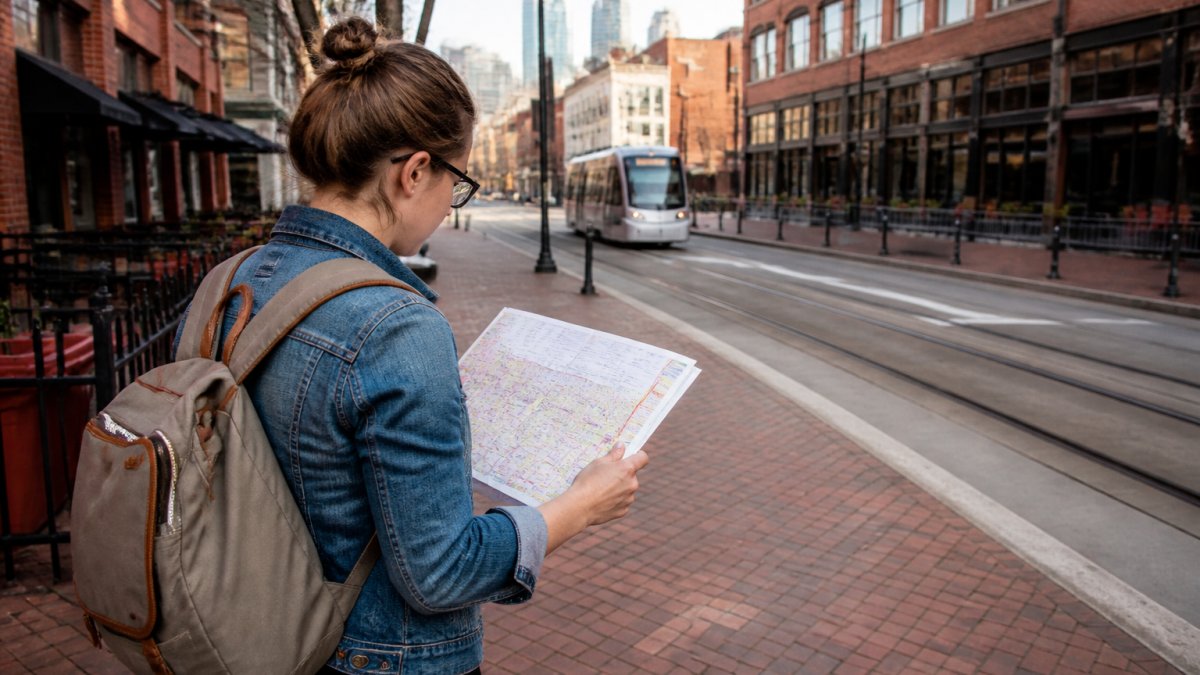
An hour-by-hour plan beats a loose list every time. This route starts at 9 a.m. downtown and ends around 9 p.m. with live music. Total walking distance stays under 3 miles, with short drives between zones.
Morning: Landmarks and City Views
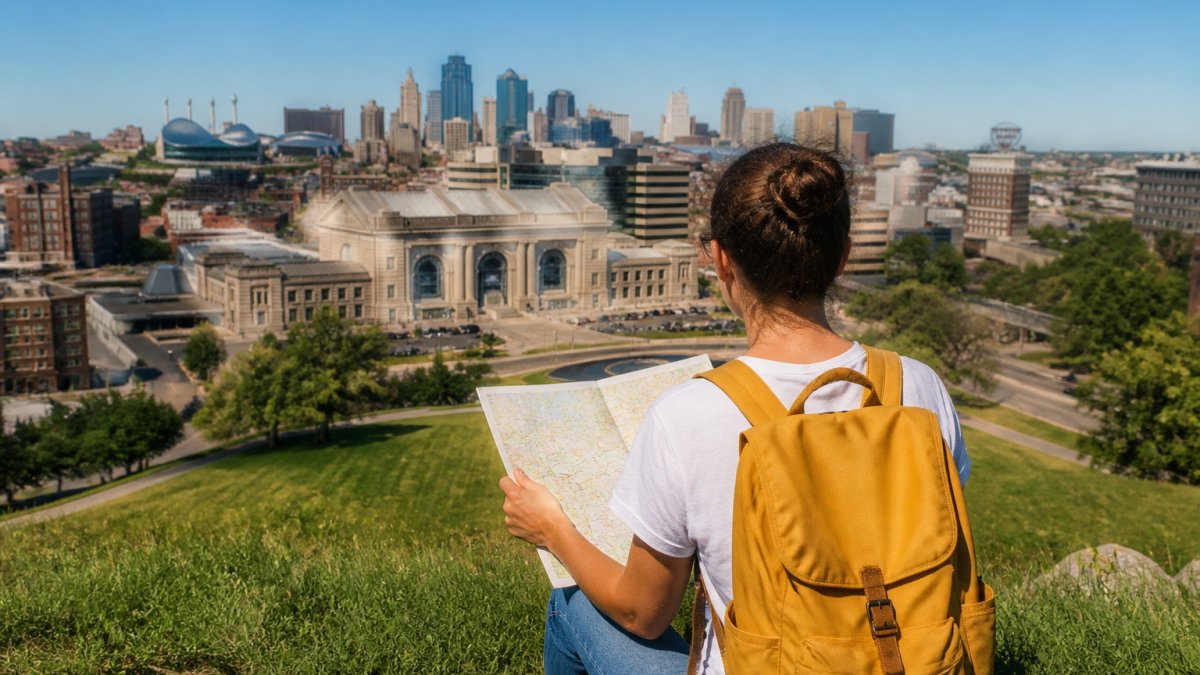
Start downtown at 9 a.m. while streets are quiet and light is good for photos. Hit the observation deck first, then walk the historic market district.
- 9:00 a.m. City views from a downtown observation point, 45 minutes
- 10:00 a.m. Historic market hall and surrounding blocks, 60 minutes
- 11:15 a.m. Architecture walk past early-1900s buildings, 30 minutes
If you want a shortlist of the best scenic viewpoints before you commit, our city views guide maps the ones worth the climb.
Afternoon: Museums, Parks, and Local Food
Lunch happens at 12:30 p.m., and it should be barbecue. This city takes smoke seriously, so pick one smokehouse and order the sampler. Do not split lunch across two spots; you will lose an hour.
- 12:30 p.m. Barbecue lunch, 75 minutes
- 2:00 p.m. Art museum or history museum, 90 minutes
- 3:45 p.m. Park or garden walk, 45 minutes
Choosing between smokehouses gets easier with a browsable list. Our barbecue smokehouse picks let you filter by neighborhood so lunch stays on the route.
Evening: Entertainment and Live Events
Dinner at 6 p.m., then live music from 7:30 p.m. Jazz clubs here fill up on weekends, so book ahead when you can.
- 6:00 p.m. Dinner near the entertainment district, 75 minutes
- 7:30 p.m. Jazz set or live show, 90 minutes
- 9:00 p.m. Nightcap and walk back
Want options you can book before you arrive? Our jazz and live music listings show what is playing and how far each venue sits from downtown.
Kansas City Sightseeing Itinerary: The 10 Stops Worth Your Time
The 10 stops below form a complete sightseeing itinerary. Each one earns its place because it clusters with the others, not because it tops a popularity poll.
- Downtown observation deck for skyline views, 45 minutes
- Historic market hall for local food and gifts, 60 minutes
- Early-1900s architecture walk through the financial blocks, 30 minutes
- Art museum with free general admission, 90 minutes
- History museum covering regional settlement, 60 minutes
- City park or sculpture garden for a breather, 45 minutes
- Barbecue smokehouse for the meal you came for, 75 minutes
- Neighborhood mural walk for photos, 40 minutes
- Entertainment district for dinner and people-watching, 75 minutes
- Jazz club for a live set, 90 minutes
That is roughly 10 hours of activity, which fits a full day with travel time built in. Drop stop 5 if you are running late; the history museum is the easiest to cut.
For a curated best-of list that validates and expands these picks, our tours and attractions hub groups them by interest and neighborhood.
Clustering Stops by Neighborhood to Cut Transit Time
Grouping stops by neighborhood saves more time than any other planning choice. Three tight clusters beat ten scattered pins.
| Cluster | Stops Included | Transit Between Stops | Time Saved vs. Scattered |
|---|---|---|---|
| Downtown core | 1, 2, 3 | 5-10 min walks | 40-60 min |
| Museum and park district | 4, 5, 6 | 5 min walks or short drive | 30-45 min |
| Food and entertainment strip | 7, 8, 9, 10 | 5-15 min walks | 45-60 min |
A common mistake is booking a walking tour that starts across town from your lunch reservation. Check the map before you book anything. Ten minutes of route planning saves an hour of backtracking.
Kansas City Travel Planning: Opening Hours, Booking Needs, and Visit Durations
Opening hours decide the order of your day, not your wish list. Museums here often close one weekday, and some close at 5 p.m. sharp. Check each site's hours the morning of your visit, since seasonal schedules shift.
Book ahead for three things: jazz clubs on weekend nights, guided walking tours, and any popular dinner spot. Everything else can stay flexible.
- Landmarks and views: 30-60 minutes, no booking
- Museums: 60-90 minutes, check weekday closures
- Parks and gardens: 30-45 minutes, free
- Meals: 60-75 minutes, reserve dinner
- Live music: 90 minutes, book weekend shows
Build in 15 minutes of buffer between zones. Traffic downtown is light, but parking eats time.
Tailoring the Day to Budget, Mobility, Weather, and Interests
No single route fits everyone. Before you lock the schedule, adjust four variables: budget, mobility, weather, and interest. Each one changes which stops survive and which get cut.
Budget: Free-First, Then Spend Deliberately
Most of the strongest stops on this route cost nothing to enter. Architecture walks, mural walks, park and sculpture-garden visits, and the historic market hall are free to browse. The two places worth opening your wallet are one barbecue meal and one live show. A common pattern among local planners is to set a soft ceiling of about $100 per person for the day and let the free stops absorb the rest. If you want to trim further, swap the second museum for the mural walk and eat lunch at the market hall instead of a sit-down smokehouse.
| Budget tier | What to keep | What to cut |
|---|---|---|
| Lean (under ~$50/person) | Free landmarks, market hall lunch, park, mural walk, one jazz cover | Second museum, sit-down dinner |
| Standard (~$100/person) | Full 10-stop route, one barbecue meal, one show | Second show, guided tour add-on |
| Comfort (no strict cap) | Add a guided walking tour and a second smokehouse stop | Nothing, but watch the clock |
Mobility: Drive the Clusters, Skip the Walks
If walking is limited, keep the three-cluster structure but drive between clusters instead of walking. Downtown parking garages put you within a few blocks of stops 1-3; the museum district has surface lots next to the art and history museums; the entertainment strip has street parking and garages near the jazz venues. Most museums on this route have seating, elevators, and accessible entrances, confirm the specific entrance when you arrive, since older buildings sometimes route wheelchair users to a side door. Cut the mural walk (stop 8) first; it is the least accessible stop on the list.
Weather: Have a Rain Plan and a Heat Plan
Rain pushes the day indoors. Swap the park (stop 6) for a second museum and move the mural walk to a covered market hall. Summer heat means outdoor stops before 11 a.m. and after 6 p.m., with air-conditioned museums and a long lunch in the middle. Winter cold is manageable if you keep the architecture walk short and book a jazz set earlier in the evening so you are not standing outside at 10 p.m.
Interests: Three Swap Sets
- Food lovers: add a second smokehouse stop and cut the history museum (stop 5). Order the burnt ends at the first stop and a different cut at the second so you are comparing, not repeating.
- Music fans: trade the afternoon park for a record shop and move the jazz set earlier so you can catch a second, later set at a nearby club.
- Families: swap the history museum for a science or children's museum and keep the park stop, it is the best place for kids to burn energy before dinner.
Common Mistakes That Derail a One-Day Visit
Most one-day itineraries fail for the same handful of reasons, and almost all of them are fixable the night before.
1. Booking two timed experiences in one day. Guided walking tours and timed museum entries run long.
**2.
3. Parking twice in the same cluster. Park once per zone and walk the cluster.
**4.
5. Skipping a lunch reservation at popular smokehouses. Walk-in waits at well-known barbecue spots can run an hour at peak lunch.
6. Forgetting that some museums close one weekday. Many museums on this route close on a Monday or Tuesday.
7. Overplanning the evening. One show beats two.
**8.
A realistic total for the full route is 10 to 12 hours of activity. Plan a slow morning the next day, and you will actually enjoy the memories instead of recovering from them.
Start Your Route With a Local Plan
Building a one-day route is easy. Building one that actually fits the hours, the neighborhoods, and your energy level takes local knowledge.
That is where we come in. Our travel guide gives you locally grounded visitor guidance, curated picks across barbecue, jazz, and hidden gems, and practical planning help for major events. You get a route that works on the ground, not just on paper.
Get started with Kansas City and turn your single day into the one you talk about afterward.
Frequently Asked Questions
What are the best things to do in Kansas City in one day?
Focus on a compact loop: a downtown landmark or observation point in the morning, one museum or garden in the early afternoon, a barbecue lunch between them, and a live music stop in the evening. Pick 10 stops maximum and group them by neighborhood so you spend minutes, not hours, in transit. Confirm opening hours the day before, since several attractions close one or two days a week.
How can I plan a one-day itinerary in Kansas City?
Start with a fixed anchor, such as a museum time slot or a tour booking, then build the rest of the day around it. Cluster stops within walking distance, leave 20 to 30 minutes of buffer between neighborhoods, and slot meals near your route rather than detouring for them. A written hour-by-hour schedule with visit durations keeps a one-day trip from collapsing into three stops and a lot of driving.
Can I explore Kansas City without a car?
Yes, if you stay within a compact area. Downtown, the River Market, and nearby neighborhoods are walkable and connected by the streetcar, and rideshares fill the gaps for stops farther out. Build your route around one walkable cluster, use the streetcar for the long straight stretches, and keep a backup rideshare budget for the evening when you are tired.
What should I include in a one-day sightseeing itinerary?
Include a mix of one landmark, one museum or cultural site, one outdoor space, one local food stop, and one evening activity. That combination covers sightseeing, history, and local culture without overloading the schedule. Add realistic visit durations, note which stops need advance booking, and leave the last hour flexible so a delayed lunch or a longer-than-expected museum does not wreck the rest of the plan.
Ready to plan? Start with our full travel guide hub to book tours, compare neighborhoods, and build a route with local guides.
