Table of Contents
- Best Neighborhoods to Stay in Kansas City: A Local Guide
- Where to Stay in Kansas City for BBQ and Local Food
- Walkable Neighborhoods in Kansas City
- Kansas City Neighborhoods for Families
- Kansas City Nightlife Neighborhoods and Arts Districts
- Downtown and Central Location Neighborhoods
- How to Choose Your Neighborhood: A Decision Framework
- Frequently Asked Questions
Last Updated: October 11, 2026
Best Neighborhoods to Stay in Kansas City: A Local Guide
Kansas City offers distinct neighborhoods, each with its own character and appeal. Choosing where to stay shapes your entire experience. The city's best neighborhoods balance walkability, access to attractions, food scenes, and local vibe. Whether you're seeking BBQ culture, jazz history, or family-friendly amenities, the right neighborhood makes all the difference.
The neighborhoods we cover here represent where locals actually spend their time, not just where tourists cluster. Your decision comes down to what matters most to your trip: food, nightlife, walkability, or family comfort.
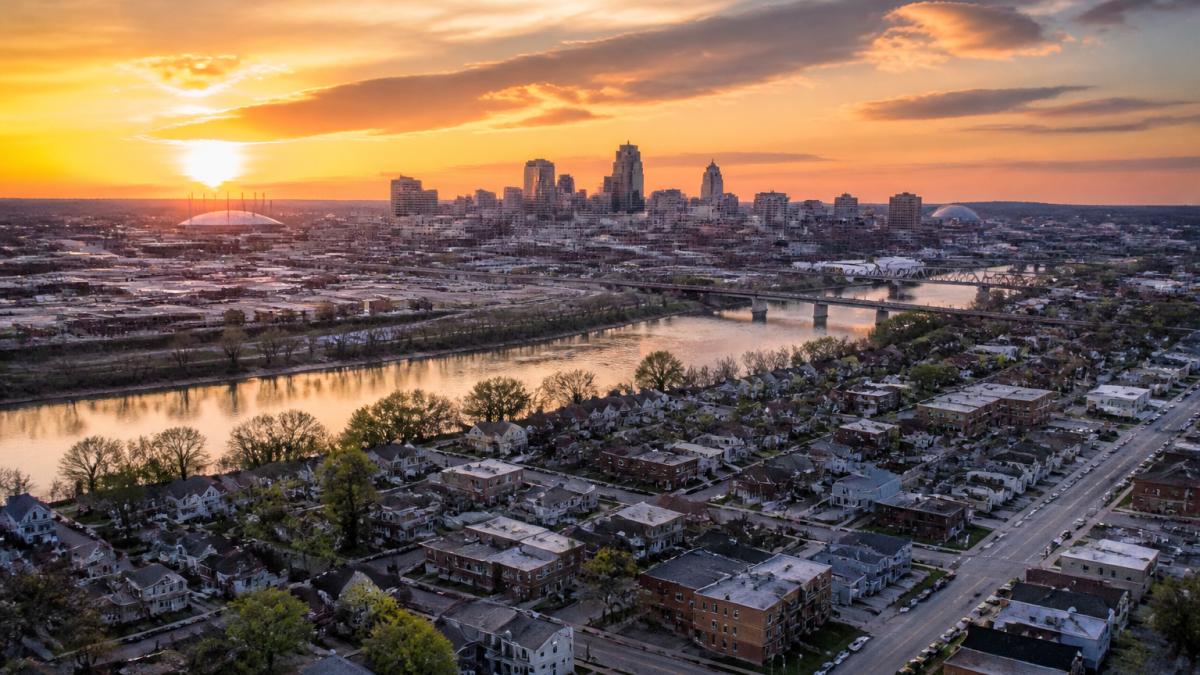
The neighborhoods worth considering fall into clear categories. Some are walkable urban cores. Others offer food-focused experiences. Some cater to families. And some deliver nightlife and arts. Below, we break down the best neighborhoods to stay in across these travel styles.
Where to Stay in Kansas City for BBQ and Local Food
If food drives your trip, specific neighborhoods deliver authentic experiences. Crossroads Arts District sits at the heart of the city's culinary renaissance. This area mixes galleries, craft breweries, and restaurants in a gritty-but-welcoming setting. You'll find serious BBQ joints alongside contemporary cuisine. The neighborhood feels lived-in, not polished.
Midtown brings a younger energy. It's denser, more walkable, and packed with independent restaurants. The food scene here skews trendy but stays rooted in local flavors. You can walk between spots easily. Parking is tight, but the trade-off is worth it if you value walkability alongside dining.
Westport has history. It's where Kansas City's jazz scene thrived decades ago. Today it mixes dive bars, music venues, and solid neighborhood restaurants. The vibe is gritty and authentic. Food isn't the primary draw here, culture is, but the eating is honest and good.
For serious BBQ pilgrims, neighborhoods near Boulevard Brewing and the West Bottoms matter less than specific restaurant locations. But staying in Crossroads or Midtown puts you within 15 minutes of most legendary spots.
Walkable Neighborhoods in Kansas City
Walkability in Kansas City varies significantly by neighborhood, and understanding the specifics helps you choose a base that matches your comfort level with car-free or car-light travel.
Midtown is the most consistently walkable neighborhood. The core stretches roughly from Main Street to Troost Avenue, with a tight grid of blocks averaging 250-300 feet.
Crossroads Arts District works as a walkable base, though distances stretch longer than Midtown. The neighborhood spans roughly from Main Street to Baltimore Avenue, a wider footprint.
Downtown offers walkability to specific attractions, the Power and Light District, Union Station, the Arabia Steamboat Museum, and the River Market are all within 15-20 minute walks of each other.
Westport has pockets of walkability but is fundamentally car-oriented.
Waldo and Brookside are walkable for neighborhood errands, coffee shops, local restaurants, parks, but lack the density of Midtown or Crossroads.
The reality: Kansas City's walkability is neighborhood-specific and modest compared to denser cities. Midtown is the only neighborhood where a visitor can comfortably spend 3+ days without a car.
Kansas City Neighborhoods for Families
Families benefit from neighborhoods that balance proximity to attractions with quieter residential streets. Midtown works for families who want walkability and don't mind an urban feel. It has parks, restaurants with high chairs, and a younger demographic that's used to kids.
Waldo brings a neighborhood feel without sacrificing access. Tree-lined streets, local parks, and a community vibe appeal to families. It's quieter than Midtown but still walkable to restaurants and shops. The neighborhood has real families living there, not just tourists passing through.
Leawood, just south of the city, offers suburban comfort. It's safe, family-oriented, and has excellent schools. The trade-off is distance from downtown attractions and less of a "Kansas City experience." You get a pleasant suburb, not the city itself.
Brookside combines neighborhood feel with proximity. It's residential but sits close to museums and parks. The neighborhood has character, tree-lined streets, local businesses, a sense of community. Families who want both comfort and access find it here.
For families, consider what matters most: walkability, quiet, proximity to attractions, or specific amenities like parks. Then match that to a neighborhood rather than assuming all family neighborhoods are the same.
Kansas City Nightlife Neighborhoods and Arts Districts
Crossroads Arts District is the epicenter of nightlife and culture. It has the highest concentration of galleries, music venues, and late-night bars. The energy peaks on First Fridays and weekends. The neighborhood draws artists, musicians, and people seeking authentic cultural experiences.
Westport remains the historic heart of live music. Jazz clubs, blues bars, and music venues line the streets. The vibe is grittier and more rooted in history than Crossroads.
Midtown offers a younger nightlife scene. Bars are more casual, crowds are younger, and the vibe is less about serious music venues and more about social scenes. It works if you want nightlife without the arts-focused intensity of Crossroads.
Power and Light District, downtown, concentrates bars and restaurants in a small area. It's dense, touristy, and convenient if you're staying nearby. But it lacks the neighborhood character of Crossroads or Westport. You get nightlife without local flavor.
The distinction matters: Crossroads and Westport offer authentic cultural experiences tied to Kansas City's history. Power and Light offers convenience and density. Choose based on whether you want immersion or accessibility.
Downtown and Central Location Neighborhoods
Downtown puts you near museums, the riverfront, and major attractions. The Power and Light District offers restaurants and bars within walking distance. But downtown feels like a business district after hours. It's convenient, not communal.
Crossroads, while arts-focused, also serves as a central location. It's closer to downtown than Midtown but maintains more neighborhood character. Many visitors choose Crossroads because it splits the difference: central location with authentic vibe.
Midtown is central without being downtown. It's equidistant from major attractions but feels more like a neighborhood. The trade-off is slightly longer travel times to some destinations, offset by better walkability and local character.
For pure convenience, downtown wins. For convenience plus neighborhood feel, Crossroads or Midtown work better. The choice depends on whether proximity to attractions or neighborhood experience matters more.
How to Choose Your Neighborhood: A Decision Framework
Choosing the right neighborhood requires matching your priorities against practical constraints. Rather than browsing a list, use this structured approach to narrow your options.
Step 1: Define Your Primary Purpose
Start with what drives your trip:
- Food and dining: Crossroads Arts District or Midtown
- Live music and nightlife: Westport (jazz and blues history) or Crossroads (contemporary arts scene)
- Family activities and parks: Waldo, Brookside, or Leawood
- Museums and downtown attractions: Downtown or Crossroads
- Quiet, residential neighborhood feel: Waldo or Brookside
Your answer eliminates roughly half the neighborhoods immediately.
Step 2: Assess Walkability Needs
Be honest about your comfort level:
- Car-free or car-light (3+ days): Midtown only
- Willing to use rideshare occasionally (2-3 days): Crossroads or Downtown
- Comfortable renting a car or using rideshare regularly: Westport, Waldo, Brookside, or Leawood
Walkability directly affects your daily experience and transportation costs. If you hate driving, Midtown is your only realistic choice. If you're flexible, more neighborhoods become viable.
Step 3: Match Trip Length to Neighborhood Character
- Weekend trip (2-3 days): Any neighborhood works if it has your primary attractions nearby. Prioritize convenience over character.
- Week-long stay (5-7 days): Neighborhood character matters more. You'll spend time locally and want that experience to feel authentic, not just convenient. Midtown, Crossroads, Westport, Waldo, and Brookside all reward longer stays. Downtown does not.
- Extended stay (10+ days): Choose a neighborhood where you'd actually want to live temporarily. Midtown and Waldo are best for this; they have enough local businesses, parks, and community feel to sustain interest.
Step 4: Factor in Accommodation Costs and Availability
Neighborhoods vary in nightly rates and inventory:
- Higher-cost, limited inventory: Downtown, Midtown, Crossroads (expect 15-25% premium over suburban options)
- Moderate cost, good availability: Westport, Waldo, Brookside
- Lower cost, suburban feel: Leawood and areas south of the city
Your budget may narrow options as much as your preferences. If you're booking last-minute or have a tight budget, suburban neighborhoods or Westport often have better availability and lower nightly rates than central neighborhoods.
Step 5: Verify Proximity to Specific Attractions
Once you've narrowed to 2-3 neighborhoods, check travel times to your must-see destinations:
- From Midtown: 10-15 minutes to Power and Light District, 15 minutes to Boulevard Brewing, 20 minutes to Arabia Steamboat Museum
- From Crossroads: 5-10 minutes to Power and Light District, 10 minutes to Boulevard Brewing, 15 minutes to Arabia Steamboat Museum
- From Westport: 15-20 minutes to Power and Light District, 20 minutes to Boulevard Brewing, 25 minutes to Arabia Steamboat Museum
- From Waldo or Brookside: 15-20 minutes to most central attractions
If a specific restaurant, venue, or museum is non-negotiable, verify it's within 20 minutes of your chosen neighborhood. Distance matters more than neighborhood reputation if your key destination sits elsewhere.
Step 6: Check Safety and Comfort
Research the specific blocks where you'll stay:
- Midtown, Crossroads, Westport, Waldo, and Brookside all have active foot traffic and community presence during the day and evening. Stick to the core commercial and residential areas identified in the neighborhood sections above.
- Downtown can feel isolated after business hours outside the Power and Light District. If you stay downtown, verify your hotel is within the Power and Light area or near the riverfront.
- Leawood is suburban and low-crime but offers less of a Kansas City experience.
Check recent reviews of specific hotels or accommodations in your chosen neighborhood, not just the neighborhood itself. A single block can vary significantly.
Decision Framework in Practice
Example: You're visiting for five days, you love food and nightlife, and you prefer walking. Your framework narrows like this:
- Primary purpose (food/nightlife) → Crossroads or Midtown
- Walkability (car-free preferred) → Midtown only
- Trip length (5 days) → Midtown's character sustains a week
- Budget (moderate) → Midtown is viable
- Attractions (BBQ restaurants scattered citywide) → Midtown is central enough for rideshare trips
- Safety (Midtown core is active and safe) → Confirmed
Result: Midtown is your neighborhood.
Another example: You're visiting for three days with family, you want quiet and parks, and you're comfortable driving. Your framework narrows like this:
- Primary purpose (family, parks) → Waldo or Brookside
- Walkability (comfortable with car) → Both work
- Trip length (3 days) → Either works
- Budget (moderate to lower) → Both are affordable
- Attractions (parks, museums) → Waldo and Brookside are 15-20 minutes from most
- Safety (both are residential and safe) → Confirmed
Result: Waldo or Brookside, depending on which specific parks or museums matter most.
Use this framework to move from browsing to deciding. Each step eliminates options until you've narrowed to the neighborhood that actually fits your trip, not just the one with the best reputation.
Frequently Asked Questions
Which Kansas City neighborhood is best for first-time visitors?
Midtown and the Crossroads Arts District are ideal for first-time visitors. Both neighborhoods offer walkable streets, diverse dining, galleries, and proximity to major attractions. Midtown provides a central location with easy transit access, while the Crossroads delivers authentic local character, street art, and independent shops. Both neighborhoods balance tourism convenience with genuine local culture, making them excellent bases for exploring the city.
What makes a neighborhood in Kansas City truly walkable?
Walkable neighborhoods in Kansas City feature compact blocks, sidewalk infrastructure, mixed-use development with shops and restaurants at street level, and proximity to public transit. Midtown and the Crossroads excel here, with restaurants, galleries, and boutiques within a 10-minute walk. These areas allow visitors to explore neighborhoods on foot without needing a car, reducing logistics and letting you discover hidden local gems organically while experiencing authentic neighborhood character.
Where should families stay in Kansas City for convenience and attractions?
Families thrive in Midtown and Country Club Plaza, both offering family-friendly restaurants, nearby attractions, and safe, well-maintained streets. Midtown has parks, museums, and diverse food options suitable for all ages. Country Club Plaza provides shopping, dining, and a relaxed atmosphere. Both neighborhoods feature good hotels and accommodations with family services, making trip logistics simpler while keeping you close to sightseeing and local experiences that appeal to children and adults.
How long should I plan to stay in Kansas City to experience authentic neighborhoods?
Three nights or more allows you to experience multiple neighborhoods and their distinct character. Two days lets you explore one neighborhood deeply and sample another. Three nights gives you time to visit the Crossroads Arts District, enjoy Midtown's food and culture, explore downtown attractions, and venture into local jazz venues and BBQ spots without rushing. Longer stays let you discover off-the-beaten-path hidden gems and develop a genuine feel for neighborhood culture beyond tourist highlights.